Black Water Flood Damage: What to Do if it Happens to You

black water flood damage

Sewage flooding — classified as Category 3 or ‘black water’ under the AS-IICRC S500:2025 standard — is the most hazardous type of water damage and requires immediate evacuation of the affected area. Contaminated water carries bacteria, viruses, and parasites that cause serious illness on contact. Do not attempt cleanup without full personal protective equipment and specialist training.

Whether it’s due to heavy rains, a sewage backup, or overflowing drains and toilets, black water flood damage can be costly, time-consuming, and just plain gross. Not only is sewage water unpleasant and unsanitary, but it can also cause extensive structural damage, as well as health risks, if not dealt with appropriately.

It’s a nightmare for homeowners and business owners alike, but the good news is that there are steps you can take to mitigate the cleanup. In this article, we will discuss what black water sewage is, look at some causes and consequences when this kind of mess is left unaddressed, and go over best practices for black water clean up after a flood.

What is Black Water Sewage?

Black water sewage is classed as any contaminated water that poses a risk to public health and safety. Common sources of black water include sewerage systems, septic tanks and toilets, stormwater runoff containing human or animal excreta, wastewater from industries such as tanneries and abattoirs, and floodwaters contaminated by sewage. Blackwater should always be treated with caution due to its hazardous nature, as it can contain harmful microorganisms which can cause infection or disease. Learn about washing machine grey water damage.

Causes of Sewage Flooding

Sewage flooding can be caused by heavy rains, sewage backups, and overflowing drains or toilets. It can also be caused by broken sewage pipes, which can allow sewage to escape into other areas, such as basements and crawl spaces. In some cases, a blocked sewage system may be the culprit, preventing wastewater from leaving the property and instead flowing back into the home or building’s plumbing system. Additionally, if a house is connected to a septic tank or cesspit, any problems with these systems could lead to sewage flooding.

Sometimes, heavy rains can cause sewage overflows and flooding, due to the extra water entering the sewage system. This can cause sewage pipes to burst or become blocked, allowing wastewater to seep into the ground or flood onto nearby roads and buildings. Heavy rains can also cause soil erosion which can damage existing infrastructure and lead to flooding in low-lying areas. Additionally, large amounts of rainfall can raise groundwater levels, putting pressure on sewage systems and resulting in overflowing drains.

Consequences of Sewage and Black Water Flooding

Sewage and black water flooding due to toilet back flow or drain flow pose a significant health risk because this water is contaminated with a significant amount of dangerous pathogenic microorganisms. These can cause serious illnesses such as cholera, dysentery, salmonellosis, and hepatitis A.

In addition, sewage flooding can result in extensive structural damage. The sewage water can corrode and damage metal items, such as pipes and electrical wiring, while also destroying furniture, personal items, and even your walls. Sewage flooding can also cause mould to grow in carpets and upholstery, leading to unpleasant odours and further damage if left unaddressed.

Best Practices for Black Water Flood Damage Clean-Up

If your home or business has been affected by sewage and black water flooding, it’s important to act quickly.

Can I clean up black water by myself?

It is generally not recommended to clean up black water by yourself due to the hazardous nature of the contaminated water. Black water can contain harmful microorganisms which can cause infection or disease, and it is important to protect yourself by wearing proper protective gear, such as rubber gloves and boots, and a face mask. In addition, it is important to ensure that the area is properly ventilated during the cleanup process.

Hiring a professional

You should contact a black water flood damage specialist like The Squeaky Clean Team as soon as possible. They will use their expertise and specialised equipment to help remedy the situation before any further damage is caused.

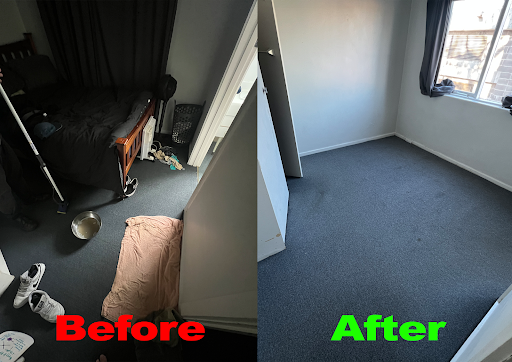
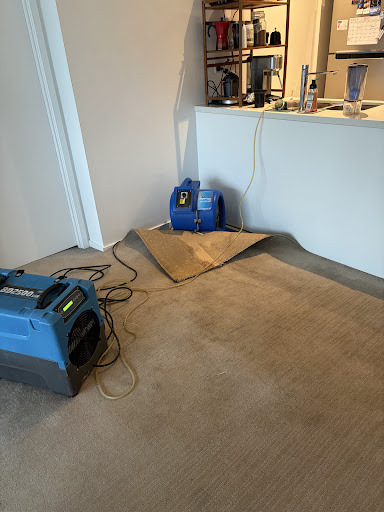
The team will need to assess the level of contamination and put a plan in place for sewage clean up. This may involve using pumps and vacuums to remove the black water from affected areas, as well as dehumidifiers, blowers, and air-purifying machines to dry out any wet surfaces. Any porous items such as carpets or plasterboard that have been affected by sewage will need to be disposed of in a safe manner. Likewise, the contaminated black water that is removed must be disposed of appropriately so that it does not pollute the groundwater supply.

Your cleaning specialists may also need to carry out repairs or replacement of damaged areas, as well as sanitise any sewage-contaminated surfaces that you cannot dispose of. It is important for anyone who comes in contact with the black water to follow all safety protocols and wear protective clothing and equipment to keep them safe.

Final Thoughts

In conclusion, it’s crucial to get on top of black water clean up as soon as possible after a flood or sewage backup. Don’t try to tackle it yourself; the contaminated water is hazardous and dangerous. Instead, contact a professional. They have the necessary training, tools, and experience to safely remove the black water and restore the affected area. It’s also important to address any underlying problems, such as a blocked toilet or drain system, to prevent future floods.

By following these steps, you can help protect your home or business from sewage flooding and the costly damage it can cause. Book our services Today!

Frequently Asked Questions

What is black water flood damage and why is it so dangerous?

Black water — Category 3 under the AS-IICRC S500:2025 standard — is floodwater containing sewage, chemicals, or biological contaminants. It poses serious health risks on contact, including exposure to E. coli, Hepatitis A, Salmonella, and parasites. Do not enter a Category 3 affected area without full personal protective equipment including respiratory protection.

What are the three categories of water damage explained?

Category 1 is clean water from a burst pipe or mains supply — the lowest health risk. Category 2 is grey water containing mild contaminants — dishwasher overflow or washing machine runoff. Category 3 is black water — sewage, rising floodwater, or any water that has contacted biological waste — and poses the highest health risk requiring specialist decontamination.

What should I do immediately if sewage floods my home?

Leave the affected area immediately and keep children and pets away. Turn off power to the affected areas at the switchboard. Do not touch any surfaces, fabrics, or objects that have been in contact with sewage water. Call a professional restoration company immediately — do not attempt cleanup without specialist training and full personal protective equipment (PPE).

Can I clean up Category 3 black water flood damage myself?

No. Category 3 sewage restoration requires specialist PPE, containment procedures, HEPA air filtration, antimicrobial treatment, and controlled disposal of contaminated porous materials under AS-IICRC S500:2025 protocols. DIY cleanup risks spreading contamination and serious health consequences for occupants, especially children, the elderly, and the immunocompromised.

What does professional Category 3 sewage restoration involve?

Category 3 restoration involves: evacuating and containing the affected area, extracting all standing water, removing all porous materials that cannot be decontaminated, HEPA air filtration, antimicrobial treatment of all surfaces, structural drying, and final clearance testing. The Squeaky Clean Team follows the full AS-IICRC S500:2025 protocol for all Category 3 incidents.

How long does it take to restore a home after a sewage flood?

Sewage flood restoration typically takes 7–14 days for residential properties: 1–2 days for extraction and contaminated material removal, 5–7 days for structural drying, and 1–2 days for final decontamination and clearance testing. Properties with extensive structural damage or mould growth may require longer. The home is typically uninhabitable during active decontamination.

Will home insurance cover sewage flood damage in Melbourne?

Sewage backup coverage varies by insurer and policy. AAMI and RACV offer sewage backup as an optional add-on, while some policies include it by default. External floodwater containing sewage may be treated differently to an internal sewer blockage. Contact your insurer immediately after the event and before beginning any cleanup to confirm coverage.


Facebook
Twitter
LinkedIn