Mould can begin growing in wet building materials within 24–48 hours of water damage, particularly in Melbourne’s humid conditions. Preventing it requires reducing structural moisture content below 16% before drying is declared complete. The Squeaky Clean Team uses calibrated moisture meters and IICRC-certified drying protocols on every job to confirm mould risk has been eliminated before leaving the site. |
Water damage can be a nightmare for homeowners, especially in Melbourne’s unpredictable weather. One of the most significant concerns after water damage is the potential for Mould growth. Mould can not only damage your property but also pose serious health risks. Here are some tips and tricks how to prevent Mould growth after water damage.
Act Quickly
Time is of the essence when dealing with water damage. The longer water sits, the more likely Mould will start to grow. Aim to start the drying process within 24 to 48 hours. This is crucial to prevent Mould spores from settling and growing.
Remove Excess Water
Use pumps, wet vacuums, and absorbent materials to remove standing water. Pay special attention to carpets, rugs, and furniture, as these are prime spots for Mould to develop. Ensuring all excess water is removed will help in preventing Mould growth.
Dry Out Affected Areas
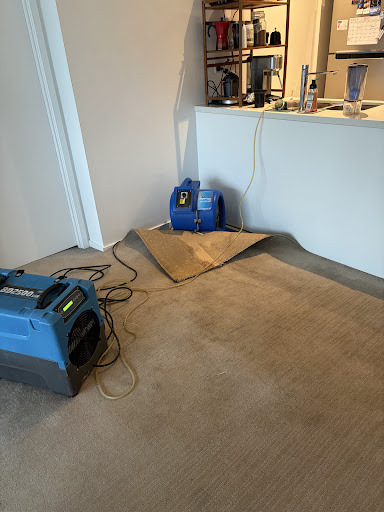
Properly drying out the affected areas is essential. Use fans, dehumidifiers, and open windows to increase airflow and speed up the drying process. If possible, bring in professional drying equipment to ensure all moisture is eliminated. This will significantly reduce the risk of Mould growth after water damage.
Clean and Disinfect
Cleaning and disinfecting the affected areas will kill any Mould spores that may have started to grow. Use a mixture of water and detergent, and for non-porous surfaces, you can use a bleach solution. This step is vital to prevent Mould from growing and spreading.
Check for Hidden Moisture
Mould can grow in hidden places like behind walls and under floors. Use moisture meters to check these areas and ensure they are completely dry. It’s essential to address hidden moisture to prevent Mould growth in unseen areas.
Discard Damaged Materials
Unfortunately, some materials may be beyond saving after water damage. Remove and discard items like carpets, insulation, and drywall if they cannot be thoroughly dried. This helps to prevent Mould growth in damaged materials.
Monitor Humidity Levels
Keeping humidity levels low in your home is crucial. Use dehumidifiers and air conditioners to maintain indoor humidity below 60%. High humidity levels can create an ideal environment for Mould to grow, even after water damage has been addressed.
Regular Inspections
Regularly inspect your home for signs of water damage and Mould . Look for discoloration, musty odors, and damp spots. Early detection can prevent minor issues from becoming major problems. Regular inspections are key to preventing Mould growth after water damage.
Professional Help to Prevent Mould After Water Damage
If you experience significant water damage or suspect Mould growth, it’s best to call in professionals. Companies like The Squeaky Clean Team offer 24/7 emergency water damage restoration services in Melbourne. They have the expertise and equipment to thoroughly dry and treat affected areas, ensuring your home is safe from Mould.
By following these steps, you can prevent mould growth after water damage and keep your home safe and healthy. For more tips and professional water damage restoration services, visit The Squeaky Clean Team
Frequently Asked Questions
How quickly can mould grow after water damage?
Mould spores can begin colonising wet organic materials — carpet underlay, plasterboard, and timber framing — within 24–48 hours of water damage in typical indoor conditions. At room temperature with moisture above 16%, active mould growth can be visible within 72 hours. Melbourne’s variable humidity makes prompt drying especially critical between November and March.
What moisture level is safe to prevent mould after a flood?
Structural materials such as timber framing and plasterboard must reach a moisture content below 16% before mould growth risk is considered controlled. Concrete subfloors require readings below 75% relative humidity using an in-situ probe. The Squeaky Clean Team uses calibrated moisture meters and provides a drying report confirming safe levels before sign-off.
How do I know if mould is growing inside walls or under flooring?
Early signs of concealed mould include a musty smell that persists after the area appears dry, staining on plasterboard, and condensation on walls. FLIR thermal imaging can identify temperature differentials indicating moisture trapped behind surfaces. If mould is suspected in wall cavities, do not open the wall without protective equipment — airborne spores can spread.
Can I prevent mould myself after water damage, or do I need a professional?
If the wet area is small (under 1 square metre), Category 1 (clean water), and wet for under 24 hours, careful DIY drying with a wet vacuum and fans may be sufficient. For any larger area, contaminated water, or flooding present for over 24 hours, professional drying with commercial equipment is required to achieve the moisture levels needed to prevent mould reliably.
What are the signs that mould has already started after water damage?
Visible signs include black, green, or grey spotting on walls, ceilings, or carpet; a musty, earthy smell that doesn’t dissipate as the area dries; and bubbling or peeling paint on walls. In carpet, mould often appears first on the underside of the underlay and won’t be visible from the top until growth is substantial.
What are the health risks of mould after water damage in a Melbourne home?
Mould exposure can cause respiratory irritation, allergic reactions, skin sensitivity, and worsening of asthma symptoms. Immunocompromised individuals and young children are most at risk. Certain species including Stachybotrys chartarum (black mould) produce mycotoxins that can cause more serious health effects with prolonged exposure. Any visible mould growth should be treated as a health risk.
Is mould damage covered by home insurance in Victoria?
Mould damage is covered by Victorian home insurance only if it directly results from a covered event — such as a burst pipe or storm damage — and the claim is made promptly. Pre-existing mould, mould from gradual seepage, or mould that forms because a water damage claim was delayed are typically excluded. Report damage within 24 hours to protect your coverage.