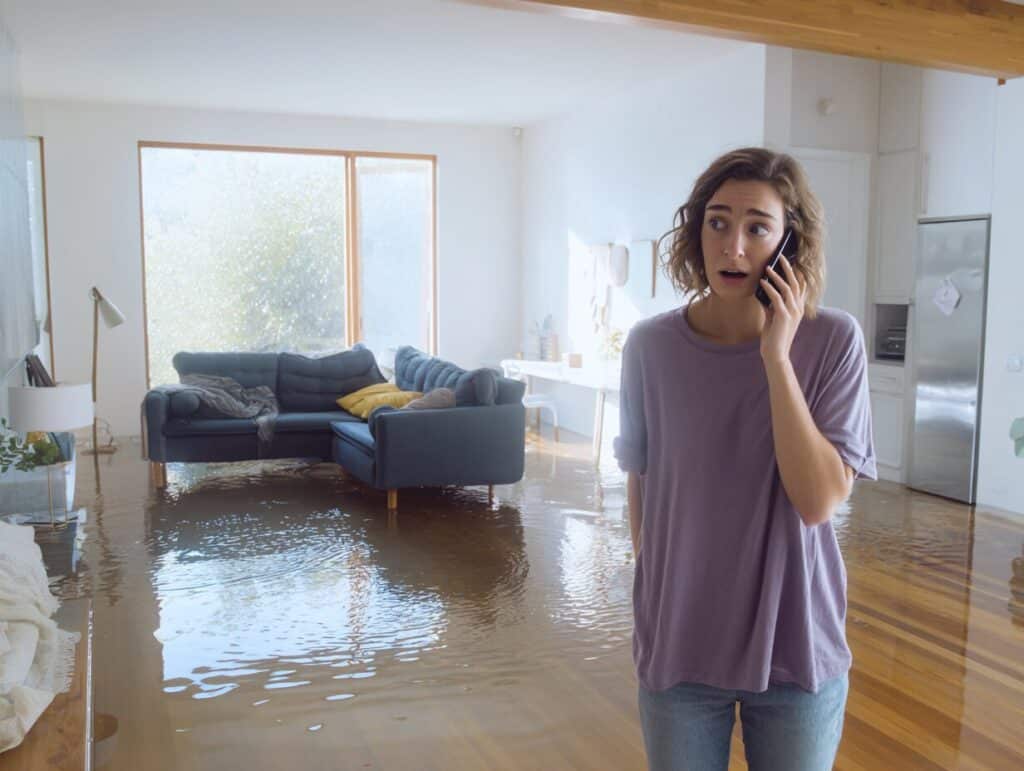
It usually starts at the worst possible time.
A burst pipe at 2am. A washing machine left running while you were at work. A blocked drain during Melbourne’s spring rains. You come home — or you wake up — and there’s water where water shouldn’t be.
In 17 years and more than 5,000 Melbourne water damage restorations, we’ve seen it all. We’ve dried out Cricket Australia’s headquarters. We’ve saved family homes from mould that was days away from being irreversible. We’ve had hundreds of Melbourne homeowners back to normal before their insurance company even appointed a restorer.
This guide covers everything you need to know about water damage restoration in Melbourne: what it is, why speed matters, what the process looks like, what it costs, how insurance works, and how to choose someone you can actually trust.
If you’re dealing with an emergency right now, call us on 1300 682 563. We arrive within 60 minutes, 24/7.
What Is Water Damage Restoration?
Water damage restoration is the professional process of safely extracting water, drying out affected structures, cleaning and sanitising contaminated areas, and returning a property to its pre-damage condition.
It’s more than just drying things out. Done properly, it involves:
- Immediate water extraction to stop the damage spreading
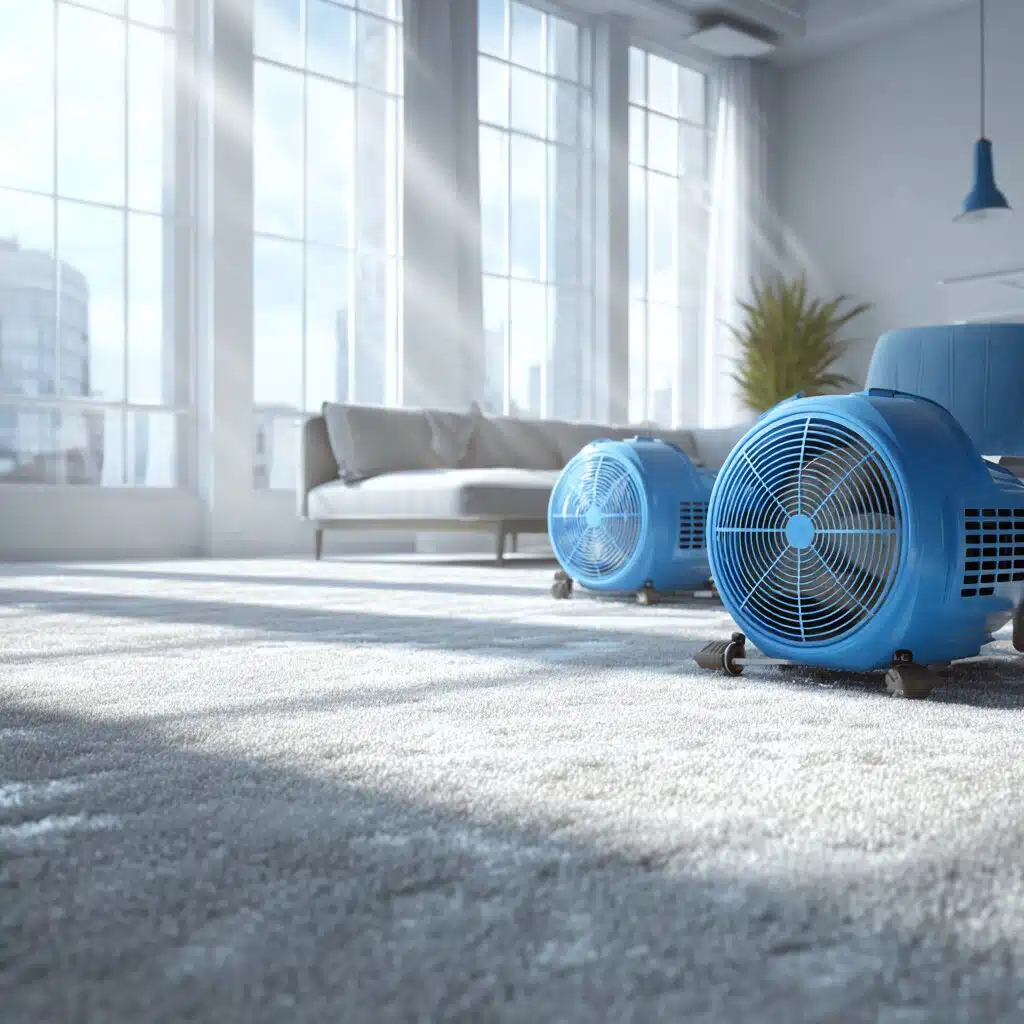
- Industrial drying equipment placed strategically to remove moisture from walls, floors, and subfloors
- Moisture monitoring using thermal imaging cameras and moisture meters
- Sanitisation and treatment to prevent mould and bacteria growth
- Structural assessment and, where needed, repair or replacement of affected materials
- Documentation for insurance purposes throughout
The goal isn’t just a dry floor. It’s a home that’s genuinely safe — free from hidden moisture that can cause mould growth days or weeks after the water is gone.
The 3 Categories of Water Damage
Not all water damage is the same. The industry classifies water damage into three categories based on contamination level. Understanding the category affects everything from safety to cost to what’s likely to be salvageable.
| Category | What It Means | Common Causes |
| Category 1 — Clean Water | Water from a sanitary source. Lowest risk, most salvageable. | Burst pipes, rainwater, overflowing bath or sink |
| Category 2 — Grey Water | Water with some contamination — not sewage, but not clean either. Requires care. | Washing machine overflow, dishwasher leak, sump pump failure |
| Category 3 — Black Water | Highly contaminated water. Sewage or floodwater. Health risk if handled incorrectly. | Sewage backup, rising floodwater, heavily contaminated grey water left standing |
Category 1 jobs treated promptly are often fully restorable. Category 3 requires specialist equipment and procedures — and in some cases, materials like carpet or drywall may need to be replaced rather than restored.
If you suspect black water is involved, do not enter the affected area without protection. Call us immediately on 1300 682 563.
The Water Damage Restoration Process: Step by Step
Here’s exactly what happens when The Squeaky Clean Team arrives at your property.
Step 1: Emergency Response & Assessment
We arrive within 60 minutes. Our first job is assessment — understanding the source, the category of water, and the extent of the damage. We use thermal imaging cameras and moisture meters to find water that’s spread invisibly into walls and subfloors. This initial assessment also gives us everything we need to start your insurance claim documentation.
Step 2: Water Extraction
Industrial truck-mounted extraction equipment removes standing water fast — far more effectively than a wet-dry vacuum or mop. The sooner water is out, the less it spreads. We extract from carpet, underlay, hard floors, and where accessible, subfloors.
Step 3: Structural Drying
Extraction removes the bulk of the water. Drying removes the rest. We place industrial air movers and dehumidifiers strategically based on our moisture readings. Most jobs are dry within 2–4 days, with equipment repositioned daily based on updated moisture readings.
Step 4: Moisture Monitoring
We return daily to check moisture levels throughout your property. We’re looking for consistent, verifiable drying progress — not just a dry-feeling surface. We document every reading so you have a clear record for insurers.
Step 5: Sanitisation & Treatment
Once dry, affected areas are treated with antimicrobial agents appropriate to the water category. For grey or black water damage, this step is critical. We don’t skip it to save time.
Step 6: Restoration & Repair
If materials need to be replaced — carpet, underlay, sections of drywall, skirting boards — we handle or coordinate that as part of the process. Our goal is to hand the property back in the same condition it was before the damage.
| The Cricket Australia Job
When Cricket Australia’s Melbourne headquarters flooded on a public holiday — 350m² of commercial space, the World Cup trophy in the building — they called us. Day-by-day drying over 15 days. Full thermal imaging documentation. Back to normal before the public holiday period ended. That’s the standard we hold every job to, whether it’s a commercial headquarters or a single bedroom carpet. |
Why the First 24–48 Hours Are Critical
Water damage is one of the few home emergencies where delay directly and dramatically increases the final cost. Here’s what happens in real time:
| Timeframe | What’s happening to your property |
| Within minutes | Water spreads laterally across floors and begins soaking into carpet, underlay, and subfloors |
| Within hours | Water begins ‘wicking’ up walls and into skirting boards via capillary action |
| 24 hours | Mould spores, always present in the air, begin to activate in damp conditions |
| 48–72 hours | Active mould growth begins. Structural materials begin to degrade. Remediation becomes more complex. |
| 1 week+ | Significant structural damage. Mould established. What could have been a $2,000 restoration job becomes $15,000+. |
This is why we offer 24/7 emergency response with a 60-minute arrival guarantee for Melbourne metro. Every hour matters.
Common Causes of Water Damage in Melbourne Homes
After 5,000+ Melbourne restorations, we’ve seen every cause. These are the most common:
Washing Machine Failures
The most common cause we attend. Washing machine waste pipes, supply hoses, and door seals all fail — often while the machine is running unattended. A single washing machine flood can affect multiple rooms or, in apartments, multiple units below.
Burst or Leaking Pipes
Melbourne’s temperature swings — cold winters, hot summers — stress pipe joints and fittings over time. Copper pipes corrode. Flexible connections fail. Most burst pipe damage happens slowly and invisibly before the dramatic moment the ceiling comes down.
Roof and Stormwater Leaks
Melbourne receives concentrated rainfall — often after long dry spells — which overwhelms blocked gutters and ageing roof membranes. Water finds its way in through roof cavities and down internal walls.
Bath and Sink Overflows
Blocked drains. Taps left running. Kids at bath time. These cause clean water damage that, treated promptly, is almost always fully restorable.
Hot Water System Failures
Hot water systems typically fail catastrophically rather than slowly. When a system fails, it can release the entire tank volume into your utility area, garage, or under your home.
Appliance Leaks
Dishwashers, refrigerators with water dispensers, and ducted air conditioning systems all present leakage risks — often going undetected until significant water has accumulated under floors or inside wall cavities.
What Does Water Damage Restoration Cost in Melbourne?
We’ll be straightforward with you: costs vary significantly depending on the size of the affected area, the water category, how quickly you called, and whether materials need replacing.
Based on our 5,000+ jobs, here are realistic ranges:
| Job Type | Typical Range | Key Variables |
| Small leak (1 room, Category 1) | $800 – $1,500 | Caught quickly, carpet salvageable |
| Medium flood (2–3 rooms) | $1,500 – $3,000 | Underlay replacement, drying duration |
| Large residential flood | $3,000 – $7,000 | Structural drying, material replacement |
| Commercial property | $1,500 – $45,000+ | Size, complexity, equipment downtime |
| Sewage / black water | Add 30–60% to above | Specialist PPE, sanitisation, disposal. May include carpet replacement. |
The most reliable way to manage water damage costs is to call quickly and let your insurance do its job. Which leads us to the next section.
Water Damage and Insurance: What’s Covered?
Most standard home and contents policies cover sudden and accidental water damage. What’s often not covered is gradual damage — a slow leak you knew about and didn’t fix.
Generally Covered
- Burst pipes (sudden failure)
- Appliance failures (washing machine, dishwasher, hot water system)
- Storm and rainwater ingress
- Accidental overflow (bath, sink)
Generally Not Covered
- Gradual leaks or seepage you were aware of
- Flood from rising external waterways (often requires separate flood cover)
- Damage resulting from poor maintenance
The most important thing you can do is get us onsite fast — before your insurer even appoints a restorer. In most cases, we have you fully dried and restored before an insurance-appointed company would have arrived for their first inspection. The longer damage sits, the worse it gets, the more it costs, and the harder the claim becomes.
We work with all major Australian insurers — AAMI, RACV, QBE, Suncorp, Allianz, and others. We document everything from the first visit: moisture readings, thermal images, scope of work, daily drying logs. Once you’re back to normal, we help you put together everything needed to support your claim. Good documentation is what gets claims approved.
For a detailed guide to navigating the claims process, read our Water Damage Insurance Claims Guide.
DIY vs Professional Restoration: When to Call the Experts
We understand the instinct to tackle things yourself. But water damage sits in a different category to most home repair jobs. Here’s why.
| DIY Approach | Professional Restoration |
| Wet-dry vacuums and fans remove surface moisture only | Industrial extraction removes 95%+ of water from carpet, underlay, and subfloor |
| No way to measure what’s happening inside walls | Thermal imaging and moisture meters reveal hidden moisture exactly |
| Mould risk: impossible to verify dryness without equipment | Documented drying logs give you and insurers confidence |
| Fans can spread contaminated air in grey/black water situations | Correct containment and air handling for contaminated water categories |
| Insurance claims harder to substantiate without documentation | Professional job report supports claim approval |
For small Category 1 spills — a glass of water, a small sink overflow that you caught immediately — DIY is fine. For anything involving significant volume, suspected spread into walls or subfloor, grey or black water, or anything you’re uncertain about, call a professional.
See also: How to Dry Wet Carpet Yourself Safely: What Works and What Doesn’t
How to Choose a Water Damage Restoration Company in Melbourne
Not all restoration companies operate to the same standard. Here’s what to look for:
- IICRC Certification
The Institute of Inspection, Cleaning and Restoration Certification sets the industry standard for water damage restoration. Look for IICRC-certified technicians, not just a company that claims to be trained.
- 24/7 Availability with a Real Response Guarantee
Many companies advertise 24/7 but have answering services and next-morning call-backs. Ask specifically: what is your guaranteed arrival time for emergency calls? We guarantee 60 minutes for Melbourne metro.
- Thermal Imaging as Standard
Thermal cameras reveal moisture inside walls and under floors that you can’t see or feel. If a company isn’t using thermal imaging, they’re guessing.
- Daily Moisture Monitoring
Drying isn’t a ‘set and forget’ process. Equipment needs repositioning as moisture moves. A company that places gear and returns days later isn’t monitoring your property — they’re just renting you equipment.
- Insurance Claim Experience
Ask whether they have experience working alongside major insurers and whether they provide full job documentation. A company that documents thoroughly — moisture readings, thermal images, daily drying logs — gives you everything you need to support your claim.
- Transparent Pricing
You should receive a clear scope of work before work begins, not a number that grows daily. We price by scope, not by the hour.
The Squeaky Clean Team Approach
Richard and Louise Reid founded The Squeaky Clean Team in 2007 with a straightforward idea: be the service you’d want to hire when things go wrong.
That means answering the phone at 2am, not an answering machine. It means telling you honestly if your stain won’t fully come out, rather than promising what we can’t deliver. It means staying until the job is actually done.
After 5,000+ Melbourne restorations, our track record is our best reference:
- 60-minute emergency response, 24/7, for Melbourne metro
- IICRC-certified technicians
- Thermal imaging used on every job
- Daily moisture monitoring and documentation
- Preferred partner with AAMI, RACV, QBE, Suncorp, Allianz, and more
- 100% mould-free record across all 5,000+ restored properties
We don’t say “best in Melbourne”. We say: call us, check our reviews, and judge for yourself.
Frequently Asked Questions
How quickly can you get to my property?
For Melbourne metro emergencies, we guarantee arrival within 60 minutes, 24 hours a day, 7 days a week, including public holidays. For outer suburbs and regional Victoria, response times vary — call us on 1300 682 563 and we’ll give you an honest estimate.
What’s the first thing I should do when I discover water damage?
Stop the source if it’s safe to do so (turn off the water at the meter if needed). Avoid walking through contaminated water. Remove valuables from the affected area if safe. Then call us. Don’t wait to see if it dries on its own — it won’t, and every hour matters.
Will my insurance cover this?
Most sudden and accidental water damage is covered under standard home insurance. Gradual damage is usually not. The best move is to call us first — we get you back to normal fast, often before your insurer has even appointed a restorer. We work with all major Australian insurers and help you document everything needed to support your claim once the job is done.
How long does water damage restoration take?
Most residential jobs are fully dried within 3–5 days. Larger properties or more severe damage can take 7–14 days. If materials need replacing, add time for that work. We give you a realistic estimate upfront — we don’t drag jobs out.
Can you save my carpet?
In most Category 1 cases treated quickly, yes. Carpet is salvageable when it’s extracted and dried properly within the first 24–48 hours. Underlay is less often salvageable and is usually replaced as a matter of course. Grey and black water damage often requires carpet replacement for health reasons.
Can water damage cause mould?
Yes — this is the biggest risk of delayed treatment. Mould spores activate within 24 hours of moisture exposure and begin visible growth within 48–72 hours. Mould remediation is significantly more complex and costly than water damage restoration. The best mould prevention is fast, thorough drying.
Do you use thermal imaging cameras?
Yes, on every job. Thermal cameras reveal moisture inside walls, under floors, and in ceiling cavities that you can’t see or feel. Without thermal imaging, you’re guessing. We use it from the first visit so nothing is missed.
How do you price jobs?
We price by scope of work, not by the hour. Before we start, you’ll have a clear understanding of what’s involved and what it’s likely to cost. We don’t present surprise invoices.
| Dealing with Water Damage Right Now?
Call 1300 682 563 — We arrive within 60 minutes, 24/7 Melbourne’s trusted water damage restoration specialists since 2007. |