Steam cleaned carpet typically takes 2–6 hours to dry with professional truck-mounted equipment in a well-ventilated Melbourne home. Wool, thick-pile, or heavily soiled carpet can take up to 12 hours. The single biggest factors are airflow, humidity, and extraction quality — a professional truck-mounted unit removes significantly more moisture than a hire machine, which is why drying times differ so much between the two. Here’s what determines your drying time and how to speed it up.
One of the most common questions we get before a booking is: “How long will we need to stay off the carpet?” It’s a fair and practical question — nobody wants to rearrange their day without knowing what they’re dealing with.
The honest answer: typically between 2 and 8 hours for professionally cleaned carpet, though the full range of circumstances can push that in either direction.
Typical Drying Times: What to Expect
With professional hot water extraction:
2–4 hours: Well-ventilated room, low humidity, warm weather, thin carpet pile, truck-mounted extraction equipment. This is a realistic best-case for Melbourne’s drier months with commercial-grade gear.
4–8 hours: Typical conditions — moderate ventilation, medium pile carpet, average humidity. This is what most of our customers experience.
8–12 hours: Thicker pile, wool or natural fibres, higher humidity, or less airflow. Still within normal range for professional cleaning.
12–24 hours: Almost always associated with hire machines or portable units, which leave significantly more moisture in the carpet after extraction. Professionally cleaned carpets taking longer than 12 hours usually indicate unusually challenging conditions.
24+ hours: Essentially the hire-machine range. Far more water is introduced than is extracted effectively with portable equipment.
What Affects How Quickly Your Carpet Dries?
1. Airflow
Airflow is the single biggest determinant of drying speed after extraction. Still air gets saturated with evaporated moisture and stops drawing more from the carpet. Moving air continuously replaces humid air above the carpet with drier air, maintaining the evaporation rate.
Open windows and interior doors where possible. Turn on ceiling fans. Position portable fans to blow across the carpet surface at an angle. Even a modest improvement in airflow can halve drying time compared to a closed, still room.
2. Humidity
In Melbourne’s more humid months — particularly late summer and early autumn — ambient humidity can significantly slow carpet drying. If the air already contains a lot of moisture, it has limited capacity to take on more from the carpet.
A portable dehumidifier makes a measurable difference in high-humidity conditions. Slightly drier, cooler days typically produce faster drying.
3. Carpet Pile Depth and Fibre Type
Dense, thick-pile carpet holds significantly more moisture than short-pile or loop-pile carpet. Natural fibres (wool, cotton) are generally more absorbent than synthetic fibres (nylon, polypropylene) and retain more moisture after extraction.
4. The Condition and Age of the Carpet
Heavily soiled carpets require more solution and water during cleaning, which means more moisture to remove. Regular professional cleaning — rather than waiting until the carpet is heavily soiled — keeps both cleaning time and drying time shorter.
5. Equipment Quality
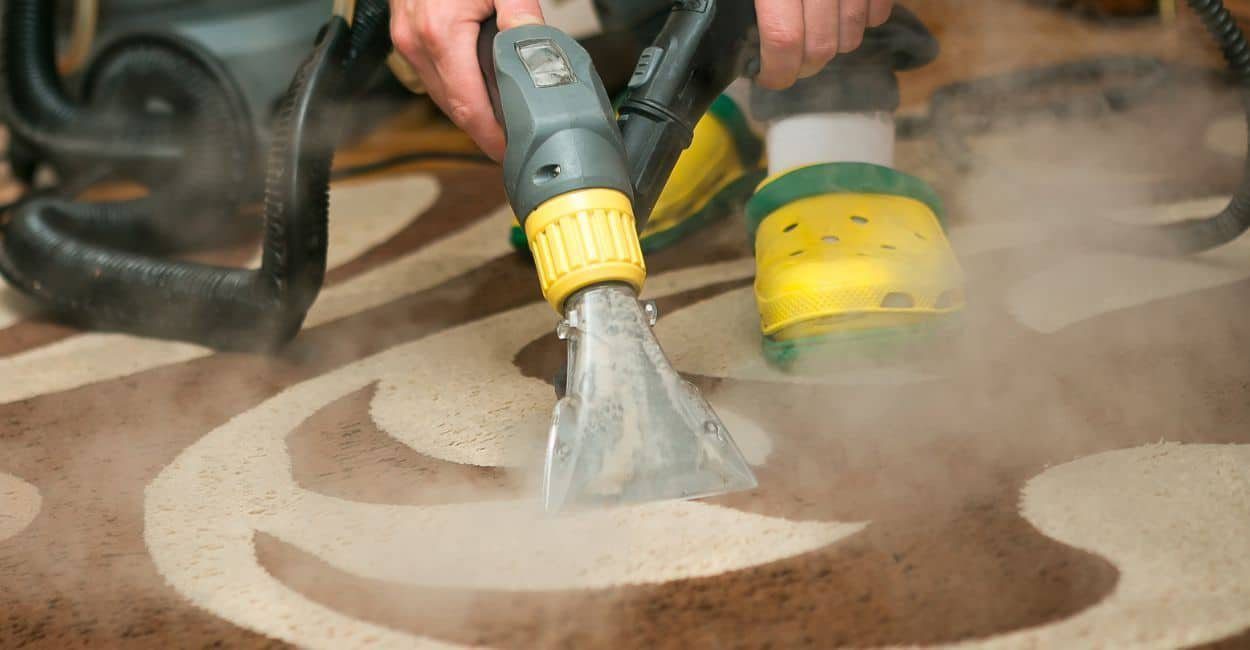
This is where professional cleaning makes the biggest practical difference. Truck-mounted professional units generate substantially more suction than portable or hire machines. More suction means more water removed during extraction, which directly reduces drying time.
Our truck-mounted equipment typically leaves carpet at around 15–20% residual moisture after cleaning. Hire machines commonly leave carpets at 50%+ moisture. That difference is reflected directly in how long you’re waiting to use the room.
Practical Tips to Speed Up Carpet Drying
- Open windows and doors — if outside humidity isn’t higher than inside, check your weather app
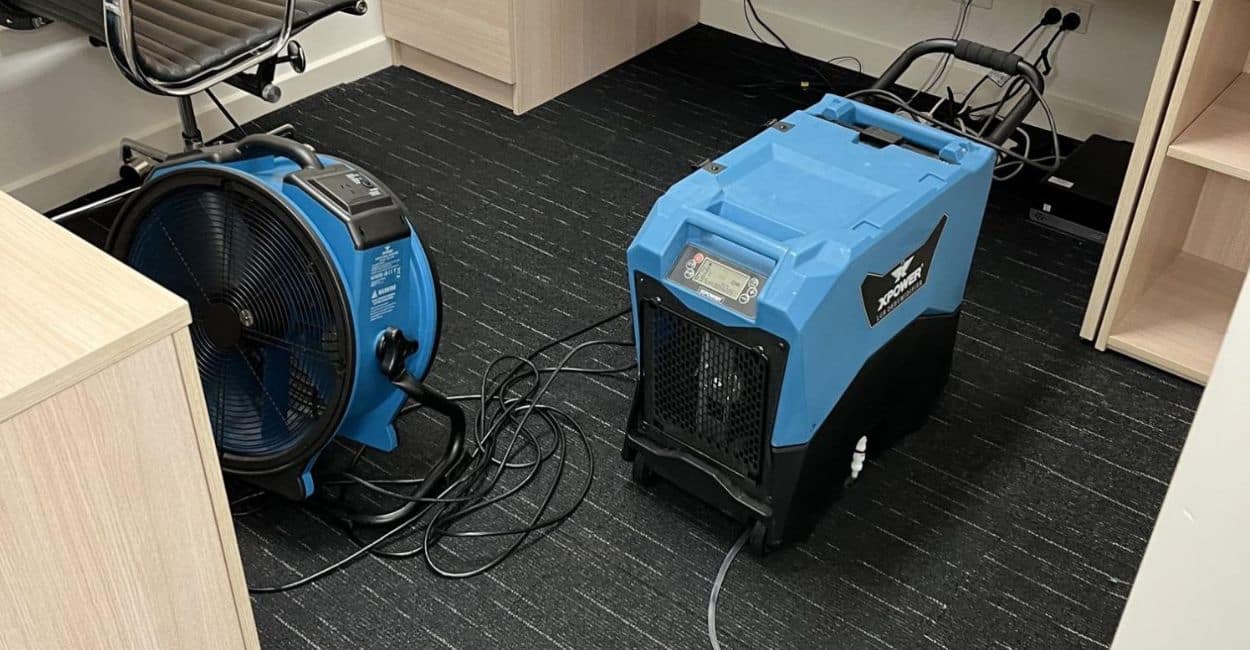
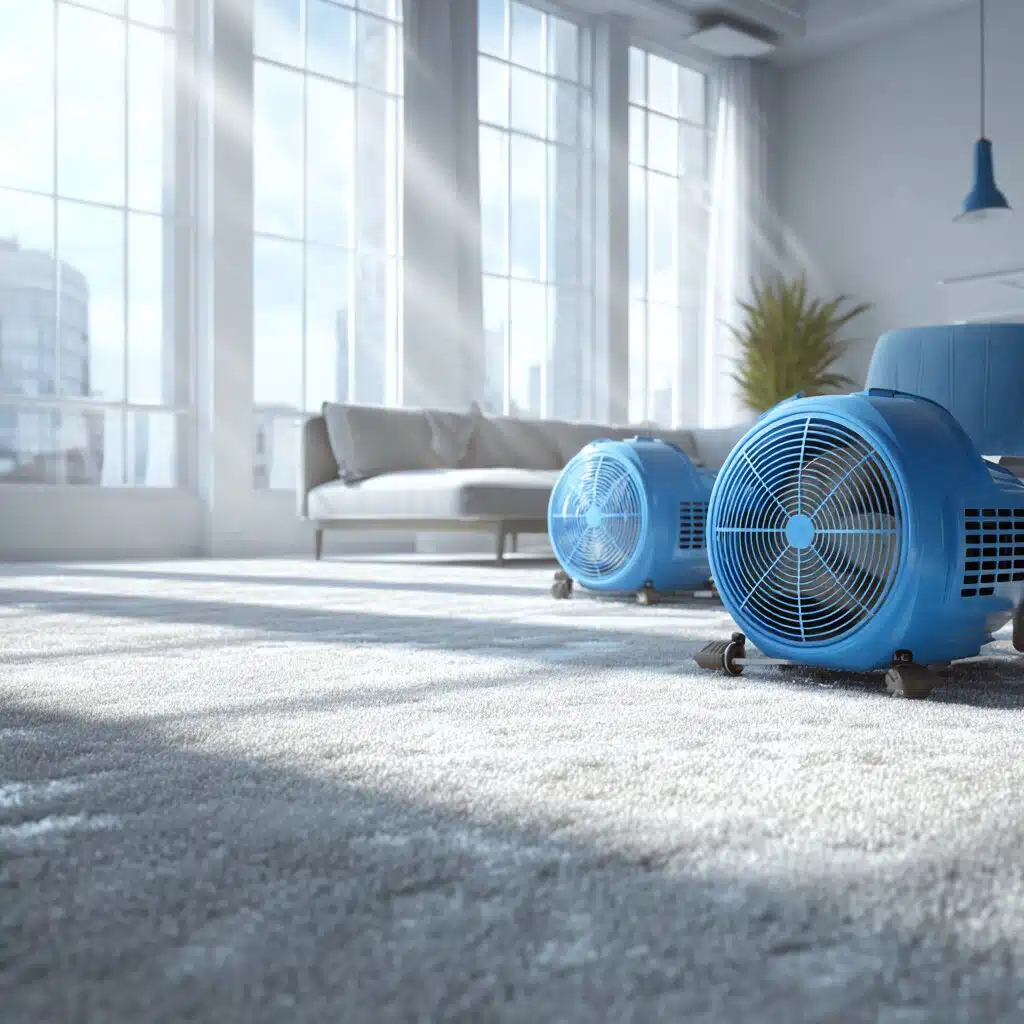
- Turn on fans — ceiling fans on high, pedestal fans pointed at carpet surfaces
- Run a dehumidifier — particularly valuable in humid conditions or enclosed rooms
- Raise the temperature slightly — warm air holds more moisture and evaporates water faster; moderate ducted heating helps
- Stay off the carpet — foot pressure on damp carpet pushes moisture back into the pile
- Don’t replace furniture immediately — metal furniture legs on damp carpet can leave rust marks, and the pressure slows drying beneath
Why You Shouldn’t Walk on Damp Carpet
Walking on damp carpet causes three real problems:
Soiling. Damp fibres pick up dirt and dust from footwear far more readily than dry fibres. You can visibly resoil a freshly cleaned carpet by walking on it too soon.
Fibre damage. Compressed, wet fibres take longer to recover their structure. In higher-pile carpets, this can result in visible traffic marks that weren’t there before.
Prolonged drying. Foot pressure forces moisture deeper into the pile and underlay, slowing evaporation.
If you must walk on the carpet before it’s fully dry, clean, dry socks are the least damaging option.
What Happens Under the Carpet During Drying
Most people focus on the carpet surface, but moisture beneath the surface matters equally.
The underlay absorbs moisture and dries more slowly than the carpet itself. This is why a carpet can feel dry to the touch while significant moisture remains underneath. Bacteria and mould grow in moist, warm environments — a carpet that feels dry but has a damp underlay is exactly those conditions.
The sub-floor matters too. Timber subfloors can absorb moisture from the underlay and begin to swell or warp if left damp. Concrete slabs are less susceptible but can retain moisture and slow upward drying from below.
For rooms where sub-floor moisture is elevated — which we can detect with a moisture meter — additional drying time or targeted dehumidification may be warranted even after the surface feels dry.
Carpet on Concrete vs Timber Subfloor: Does It Matter?
Yes — the type of subfloor has a measurable effect on drying time and risk.
Carpet on concrete slab: Moisture from cleaning tends to sit between the underlay and the concrete rather than being absorbed. Drying is primarily upward — through the carpet — which is where your airflow and dehumidification should focus. If moisture is trapped between underlay and concrete for extended periods, mould growth in the underlay is a real risk.
Carpet on timber subfloor: Timber absorbs moisture from above and below. Drying tends to take longer, and excessive moisture in timber subfloor can cause swelling, cupping, or warping. Professional moisture assessment is especially important on timber subfloors.
Signs Your Carpet Is Fully Dry
The hand test. Press your entire palm firmly into the pile for 3–5 seconds. A dry carpet will feel neutral in temperature and leave no moisture on your hand.
The tissue test. Press a dry tissue firmly into the pile for a few seconds. Any moisture transfer means more drying time is needed.
The smell check. A fully dry, professionally cleaned carpet should smell neutral or faintly clean. Any musty or earthy odour indicates moisture is still present.
Visual check. Damp carpet fibres often appear slightly darker or flattened. Once the pile returns to its normal height and colour, it’s typically dry.
When in doubt — wait another hour. It’s always better to extend the wait than to risk soiling or mould by returning to a damp carpet too soon.
A Note on Professional vs Hire Machine Drying Times
If you’ve previously hired a machine and found your carpet took over a day to dry, that’s a normal consequence of the equipment’s extraction limitations — not a sign that something went wrong. Hire machines are simply not engineered to extract moisture as efficiently as commercial truck-mounted equipment.
If drying time is a concern — young children crawling on the floor, a pet that won’t stay off the carpet, a tight schedule — professional cleaning with truck-mounted extraction typically puts you back on the carpet in a few hours rather than a day or more.
Frequently Asked Questions About Carpet Drying Time
How long does it take for carpet to dry after steam cleaning?
With professional truck-mounted hot water extraction, carpet typically dries in 2–6 hours in a well-ventilated Melbourne home. Thick-pile, wool, or heavily soiled carpet can take up to 12 hours. Hire machines leave significantly more moisture in the carpet and commonly result in drying times of 12–24 hours or longer.
What affects how quickly carpet dries after steam cleaning?
The main factors are airflow (the biggest determinant), ambient humidity, carpet pile depth and fibre type, the degree of soiling, and the quality of extraction equipment. A truck-mounted professional unit removes far more moisture than a portable hire machine, which is why professional drying times are typically 2–6 hours versus 12–24 hours for DIY machines.
Does carpet on concrete dry faster than carpet on a timber subfloor?
Generally, carpet on concrete dries at a similar rate to carpet on timber, but the risks differ. On concrete, moisture can become trapped between the underlay and slab, increasing mould risk if not fully dried. On timber, the subfloor absorbs moisture and can swell or warp if damp for extended periods. Both require adequate airflow and drying time after a professional clean.
How can I speed up carpet drying after a professional clean?
Open windows and doors to maximise airflow, run ceiling fans and portable fans across the carpet surface, use a dehumidifier in humid conditions, and keep the room at a moderate temperature. Avoid walking on the carpet and don’t replace furniture until it’s fully dry. These steps can halve drying time compared to leaving a room closed and still.
Is it safe to walk on carpet while it’s still damp?
Avoid walking on damp carpet where possible. Damp fibres pick up dirt and soil from footwear much more readily than dry fibres, which can resoil a freshly cleaned carpet. Foot pressure also forces moisture deeper into the pile and slows drying. If you must cross the carpet, clean dry socks are the least damaging option.
Will fans or a dehumidifier speed up carpet drying?
Yes — both make a measurable difference. Fans accelerate evaporation by continuously replacing moisture-saturated air above the carpet with drier air. A dehumidifier removes moisture from the room air, maintaining its capacity to absorb further moisture from the carpet. The combination of fans and a dehumidifier in an enclosed room produces significantly faster drying than either alone.
Why is my carpet still wet the next day after professional cleaning?
If carpet is still wet 12+ hours after a professional truck-mounted clean, the most likely causes are inadequate ventilation (closed windows and no fans), very high ambient humidity, very thick or heavily soiled carpet pile, or moisture trapped in the underlay below a surface that feels dry. Ensuring good airflow and running a dehumidifier should resolve most cases. If the carpet remains damp beyond 24 hours after a professional clean, contact us — we can assess and advise.
The Squeaky Clean Team uses professional truck-mounted extraction equipment across Melbourne, delivering drying times of 2–6 hours in typical conditions. We’ll give you an honest estimate for your specific carpet type and conditions when you book. Call 1300 682 563 or book at squeakycleanteam.com.au.