Your sofa is probably the most-used piece of furniture in your home. It’s where you relax, where your kids do homework, where the dog stretches out when you’re not looking. And because it’s always there, always in use, it’s easy to stop noticing what it’s accumulating.
Skin cells. Dust mites. Pet dander. Food particles. Body oils that work their way into the fabric over months and years. The average sofa holds more bacteria per square centimetre than a toilet seat — not because people are unhygienic, but because upholstery is a warm, fibrous environment that bacteria love.
We’ve cleaned thousands of Melbourne lounges, sofas, armchairs, dining chairs, and ottomans over 17 years. We’ve seen fabric lounges brought back from states that owners assumed were beyond help. We’ve also seen good furniture ruined by the wrong cleaning approach — DIY products that bleach fabric, or water that causes shrinkage in wool blends.
This upholstery cleaning Melbourne guide covers everything you need to know: fabric types and what each requires, professional cleaning methods, how often to clean, realistic costs, and how to handle common stains before we arrive.
Why Upholstery Cleaning Matters More Than Most People Realise
Most people clean their upholstery reactively — when something spills, or when the smell becomes noticeable, or when a guest is coming. Professional upholstery cleaning is actually more about what you can’t see than what you can.
What’s living in your sofa
Dust mites thrive in the warm, humid microclimate of upholstered furniture. A typical sofa can harbour hundreds of thousands of dust mites, along with their waste products — which are a primary trigger for asthma and allergic rhinitis. Pet dander, pollen, and mould spores also accumulate in fabric fibres and become part of the air you breathe while sitting.
The hygiene case
Skin oils transfer to fabric every time someone sits. These oils attract and trap other particles, creating a cumulative buildup that vacuuming doesn’t adequately address. Over time, this leads to fabric degradation, colour dulling, and odour — even in households that would describe themselves as clean.
The furniture investment case
A quality sofa represents a significant investment. Regular professional cleaning extends its useful life considerably — by removing the grit and oil buildup that breaks down fibres, and by treating stains before they become permanent. A sofa cleaned every 12–24 months will outlast and outperform one that’s never professionally cleaned by years.
More on this: The Importance of Cleaning Upholstered Furniture
Upholstery Fabric Types: What Each Requires
The single most important thing to know about upholstery cleaning is that different fabrics require different approaches. Using the wrong method or product on the wrong fabric causes real damage — shrinkage, colour bleed, watermarking, or pile distortion. Always check your furniture’s care code (usually on a tag under the seat cushion) before any cleaning.
If there’s no tag or you’re unsure of your fabric type, call us before attempting any cleaning.
Fabric / Polyester Blends
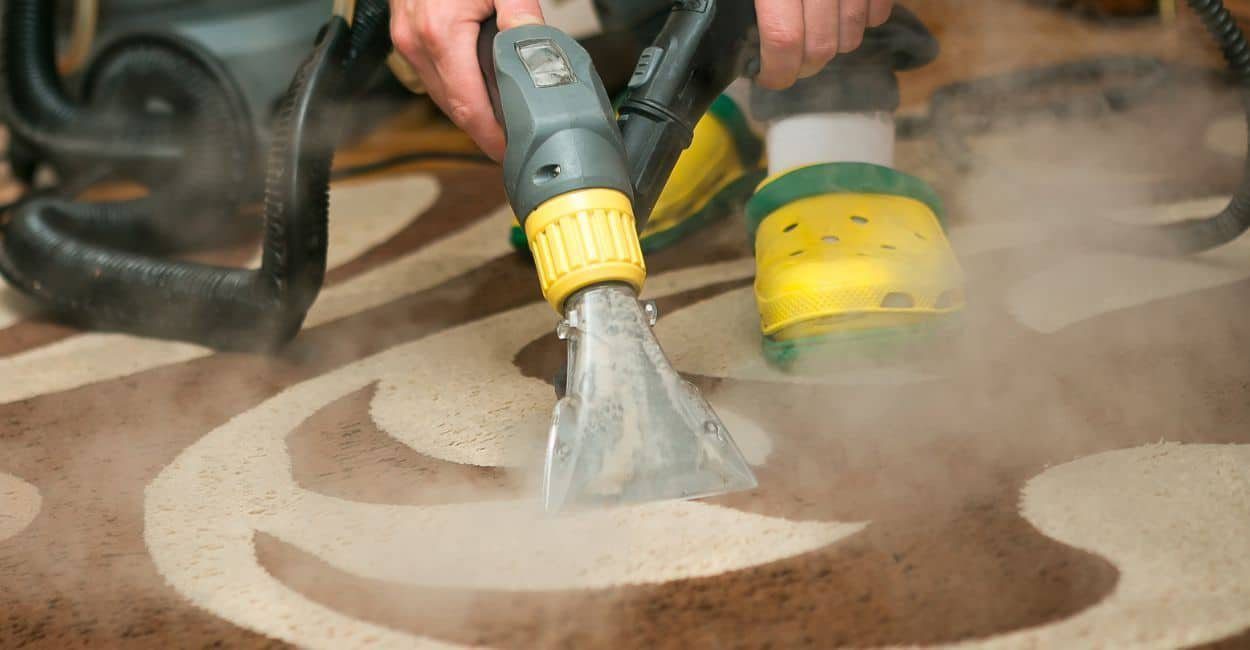
The most common residential upholstery material. Generally responds well to hot water extraction with appropriate pre-treatment. Good stain resistance, but can pill or mat in heavy-use areas over time. Most fabric sofas are W or W/S rated.
Microfibre
A synthetic fabric with a very fine weave that repels liquids initially but can stain if spills are not addressed promptly. Microfibre requires low-moisture cleaning — over-wetting causes watermarks that are difficult to remove. Many microfibre sofas carry an S or W/S code.
Velvet
Natural or synthetic velvet has a delicate pile that can be crushed, watermarked, or distorted by incorrect cleaning. Steam can restore crushed pile but must be used carefully. Generally requires specialist treatment.
Leather
Genuine leather requires very different care from fabric — it must be cleaned with pH-balanced leather-specific products and conditioned after cleaning to prevent drying and cracking. Water-based cleaning can cause staining and damage. Never use general-purpose upholstery cleaners on leather.
Faux Leather / PU Leather
More forgiving than genuine leather but still requires care. Harsh chemicals or abrasive cleaning can degrade the surface coating. Clean with mild, pH-neutral products and avoid excessive moisture.
Wool / Natural Fibre Blends
Premium upholstery fabric with excellent durability, but sensitivity to heat and alkaline cleaning products. Requires cool-water extraction and pH-neutral chemistry. Wool can shrink significantly if over-wet or exposed to high heat.
Fabrics We Don’t Clean: Pure Linen and Pure Cotton
We do not clean pure linen or pure cotton upholstery. The reason is specific: the moisture introduced during steam cleaning can cause tannins from the internal timber frame to leach into the fabric, leaving permanent brown staining that cannot be removed. This is not a risk we’re willing to take with your furniture.
If your piece is pure linen or pure cotton, we’ll tell you upfront rather than proceed and hope for the best. We’d rather refer you elsewhere than risk damaging something you value.
Professional Upholstery Cleaning Methods
We choose the cleaning method based on your fabric type, care code, the nature of the soiling, and the age and condition of the piece. Here’s what each method involves:
| Method | How It Works | Best For |
| Hot Water Extraction | Pre-treatment applied to soiling, then hot water solution injected under low pressure and extracted with all loosened debris | Fabric, polyester, most W and W/S rated upholstery |
| Low-Moisture / Encapsulation | Cleaning compound applied and worked into the fibre, then extracted. Minimal water used. | Microfibre, delicate fabrics, situations requiring fast drying |
| Leather Cleaning & Conditioning | pH-balanced leather cleaner applied with soft cloth, buffed, then leather conditioner applied | Genuine leather, full-grain leather, corrected-grain leather |
| Specialist Spot Treatment | Targeted chemistry matched to specific stain type (protein, tannin, oil, dye) | Individual stains on any fabric type as pre-treatment |
Important: we do not offer dry solvent cleaning. Fabrics that require solvent-only treatment (S-coded) — such as pure linen or pure cotton — are outside the scope of what we clean. We’ll let you know at quoting stage if this applies to your furniture.
How Often Should You Have Upholstery Professionally Cleaned?
General rule: professional upholstery cleaning every 12–24 months. But household circumstances move that number significantly.
| Household | Recommended Frequency |
| Adults only, no pets, light use | Every 18–24 months |
| Family with children | Every 12 months |
| Pets that sit on furniture | Every 6–12 months |
| Allergy or asthma sufferers in household | Every 6–12 months |
| Light-coloured fabric (shows soiling faster) | Every 12 months minimum |
| Rental property / Airbnb | Between each guest or tenancy |
| Post-illness or after extended period of heavy use | As needed |
One thing worth noting: upholstery that’s cleaned regularly is significantly easier and less expensive to clean each time. Letting soiling and oils build up over several years makes each clean more intensive — and some damage becomes irreversible.
See also: How to Maintain Upholstery Furniture Between Professional Cleans
Common Upholstery Stains: What to Do Before We Arrive
The single most important thing you can do with any upholstery stain is act quickly and resist the urge to scrub. Scrubbing pushes the stain deeper into the fibre and spreads it laterally. Here’s how to approach the most common situations:
Liquid spills (wine, coffee, juice, soft drink)
- Blot immediately with a clean, dry white cloth — working from the outside of the spill inward
- Do not rub. Blot only.
- Remove as much liquid as possible before it sets
- Do not apply salt, soda water, or other home remedies to fabric — these can set the stain or cause watermarking
- Call us if it’s a significant spill or on delicate fabric
Food (including grease and oil)
- Scrape off any solid material gently with a blunt knife or spoon
- Blot the remaining residue with a dry cloth
- Avoid rubbing or applying water to greasy stains — water and oil don’t mix and water can spread the mark
- Professional pre-treatment with appropriate degreasing chemistry is the most effective approach
Pet accidents (urine, vomit)
- Remove solids immediately and blot liquid thoroughly
- Urine that dries and is then re-wet will release odour more strongly — address it immediately
- DIY enzyme treatments from pet stores can help on fabric but won’t penetrate to the foam beneath the upholstery where urine often travels
- Professional treatment addresses the fabric surface and as deep as our tools can reach into the foam beneath
- Important: our upholstery cleaning tools have a penetration limit. If urine has soaked deeply into the foam core, we can significantly reduce odour but cannot guarantee complete elimination. We’ll assess the severity on arrival and give you an honest expectation before starting.
More on pet stains: Eliminate Pet Odours Permanently
Ink
Ink is one of the most challenging upholstery stains. Do not apply water or rubbing alcohol without knowing your fabric type — both can spread ink significantly or cause fabric damage. Call us.
Leather stains
Blot spills immediately on leather — leather’s natural oils provide some protection if you act fast. Do not use household cleaners, soap, or water on leather stains. Professional leather cleaning is the safest approach for anything beyond a fresh surface spill.
What Does Professional Upholstery Cleaning Cost in Melbourne?
We price upholstery cleaning per item, with the price depending on the size of the piece, the fabric type, and any specialist treatment required.
| Item | Price |
| 2-seater sofa / loveseat | $140 |
| 3-seater sofa | $210 |
| 4-seater / large sectional | $280 |
| L-shape or corner sofa | $350 |
| Armchair / recliner | $70 – $95 |
| Dining chairs (per chair) | $25 – $45 |
| Ottoman / footstool | $40 – $70 |
| Leather sofa (3-seater, incl. conditioning) | $240 |
| Specialist stain treatment* | $30 – $80 per stain |
| Pet odour treatment* | $60 – $150 depending on severity |
We provide a clear quote before starting — no add-ons that weren’t discussed upfront. Any stain or odour treatment costs will be discussed with you beforehand, along with an honest assessment of the likely outcome. Combination bookings (upholstery + carpet in the same visit) attract a discount.
DIY Upholstery Cleaning: What’s Safe and What’s Not
There’s a place for DIY upholstery maintenance — and an important limit to it.
| Safe to DIY | Leave to the Professionals |
| Regular vacuuming with upholstery attachment | Stain removal on delicate fabrics (velvet, linen, wool) |
| Immediate blotting of fresh spills on fabric | Any cleaning on leather or faux leather beyond fresh surface spills |
| Spot cleaning fresh stains with plain cold water on W-rated fabric | Pet urine treatment (surface only won’t address the foam beneath) |
| Removing loose surface debris and pet hair | Ink, wine, or oil stains that have had time to set |
| Airing cushions outdoors in dry weather | Any cleaning where you’re unsure of the fabric type or care code |
| Rotating cushions for even wear | Full clean of heavily soiled upholstery |
The most common DIY mistake we see: applying supermarket upholstery foam or spray to a fabric without knowing the care code. Many of these products contain chemicals that are safe on some fabrics and damaging on others — and some leave a residue that attracts dirt faster than the original soiling.
How to Choose a Professional Upholstery Cleaner in Melbourne
Not all upholstery cleaners have the training or equipment to handle the range of fabrics they’ll encounter. Here’s what matters:
- They ask about your fabric type before quoting
A cleaner who quotes without knowing whether your sofa is microfibre, wool blend, or leather — or who doesn’t check the care code — is not applying the right method. Different fabrics need different chemistry and different equipment settings.
- IICRC certification
The IICRC Upholstery and Fabric Cleaning (UFT) certification means the technician has trained specifically in fabric identification and appropriate cleaning methods — not just carpet cleaning techniques applied to furniture.
- They use low-moisture options where appropriate
Over-wetting is the most common cause of DIY and amateur upholstery damage. A good professional knows that some fabrics require low-moisture or solvent-based cleaning and has the equipment to deliver it.
- Clear pricing per item before they start
You should know the price before the technician begins. Companies that quote a low rate and then add charges for each stain treatment, deodoriser, or ‘specialist’ product once they’re in your home are not operating transparently.
- They can handle leather as well as fabric
Leather cleaning is a distinct skill set. If a company can’t tell you specifically how they clean and condition leather — or if they propose using the same products on leather as on fabric — don’t let them near your leather lounge.
More guidance: How to Choose Melbourne’s Best Carpet and Upholstery Cleaning Service
The Squeaky Clean Team Approach to Upholstery
We’ve been cleaning Melbourne upholstery since 2007. In that time we’ve encountered every fabric type, every stain, and every situation — from pristine lounges getting their first professional clean to pieces that owners were ready to send to the tip.
Before we touch anything, we assess: fabric type, care code, age and condition of the piece, nature of any staining, and whether the foam or structure beneath may be affected. We tell you honestly what we expect to achieve before we start.
Our approach:
- Fabric identification and care code check on every job
- Method selected specifically for your fabric — never a one-size approach
- pH-balanced, fabric-appropriate chemistry throughout
- Low-moisture technique where the fabric requires it
- Specialist leather cleaning and conditioning for leather pieces
- Honest stain assessment before we start — if a stain is unlikely to fully remove, we tell you
- IICRC-certified technicians
See our upholstery cleaning service: Professional Couch & Upholstery Cleaning Melbourne
Frequently Asked Questions
Can you clean leather sofas?
Yes. We clean and condition all types of leather upholstery — full-grain, corrected-grain, semi-aniline, and pigmented leather — using leather-specific products. We do not use fabric cleaning methods on leather. After cleaning, we apply a leather conditioner to restore suppleness and protect the surface.
How long does it take for upholstery to dry after cleaning?
Fabric upholstery cleaned with hot water extraction typically takes 2–4 hours to dry. Microfibre and low-moisture cleaned pieces may be dry within 1–2 hours. Leather is ready to use as soon as we finish — there’s no drying time. Good ventilation speeds drying significantly.
Can you remove pet urine from a sofa?
We can treat pet urine on upholstery and in most cases significantly reduce or eliminate the odour. However, our tools have a penetration limit — if urine has soaked deeply into the foam core over time, we can treat as far as our equipment reaches but cannot guarantee complete odour elimination. We’ll be upfront about this on arrival. Urine that has dried and crystallised deep in the foam is the most challenging situation; addressing it promptly always produces better results.
Will cleaning change the colour of my fabric?
Professional cleaning with appropriate chemistry should not alter your fabric’s colour. In fact, many people are surprised by how much brighter their upholstery looks after cleaning — what seemed like fading was often embedded dulling. Some colour change on very old or sun-affected pieces may be apparent, but this is the underlying condition, not the cleaning.
Can cleaning reveal stains that weren’t visible before?
Yes — this is something we’re always honest about upfront. When heavily soiled upholstery is cleaned, the layer of accumulated dirt that was masking the fabric surface is removed. Underneath that layer, older stains that were obscured may become visible. This isn’t caused by the cleaning — the stains were always there, just hidden. Not all stains can be removed, particularly those that have been present for a long time or have chemically bonded with the fabric fibres. We assess visible staining before we start, but we can’t always predict what will appear once the surface soiling is lifted.
I have a sofa with both fabric and timber or metal components. Is that a problem?
No — we work carefully around non-fabric elements. We’ll mask or protect any timber or metal components if there’s a risk of moisture contact.
Should I vacuum before you arrive?
Yes, a quick vacuum of the upholstery surface helps — it removes loose pet hair, crumbs, and surface debris so our equipment can focus on embedded soiling. We bring our own upholstery vacuum as part of the process, but a pre-clean helps.
Can you clean upholstery and carpet in the same visit?
Yes — and it’s often more cost-effective to book both together. We offer combination discounts for upholstery and carpet cleaning in the same appointment.
My sofa label says ‘S’ — can you still clean it?
The ‘S’ code means solvent-based cleaning only — water or water-based products should not be used on this fabric. We do not offer dry solvent cleaning, so S-coded pieces — which include pure linen, pure cotton, and some other natural fibres — are outside the scope of what we can safely clean. We’ll let you know at quoting stage if this applies to your furniture rather than proceed and risk damage. This is exactly why checking the care code matters.
Do you apply fabric protector after cleaning?
We don’t offer fabric protection treatments. While protectors can sound appealing, they are expensive to apply correctly and rub off relatively quickly in the areas that matter most — where you sit, where you place your arms, where the fabric is in regular contact with clothing and skin. Rather than charge you for something that won’t last, our recommendation is to have your upholstery re-cleaned when it needs it. Regular cleaning is a better long-term strategy than protection that wears off.
| Ready to Restore Your Upholstery?
Call 1300 682 563 or book online — fabric, leather & specialist upholstery cleaning across Melbourne IICRC Certified • Fabric type identified before we start • Honest assessment, no surprise charges |