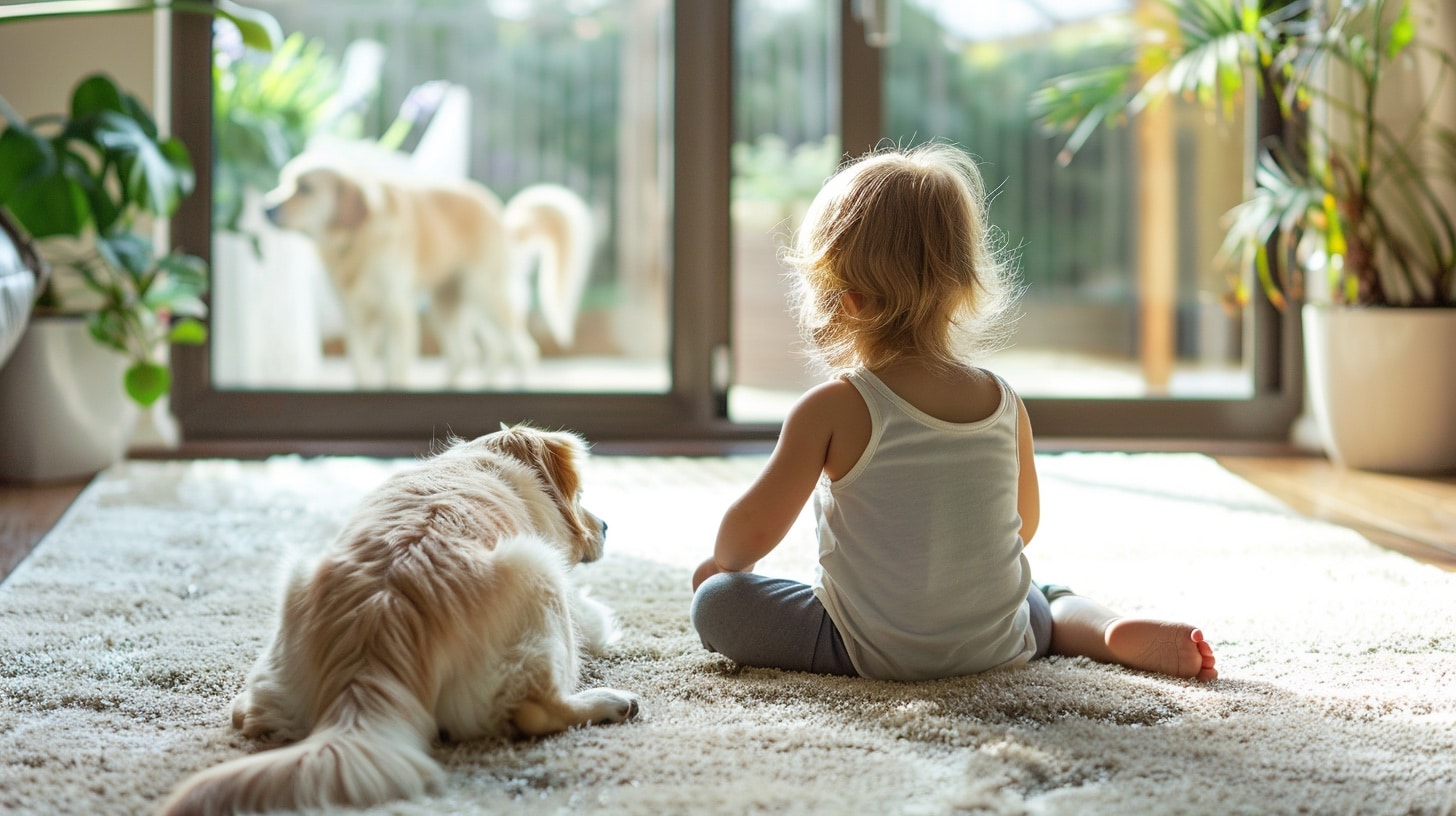
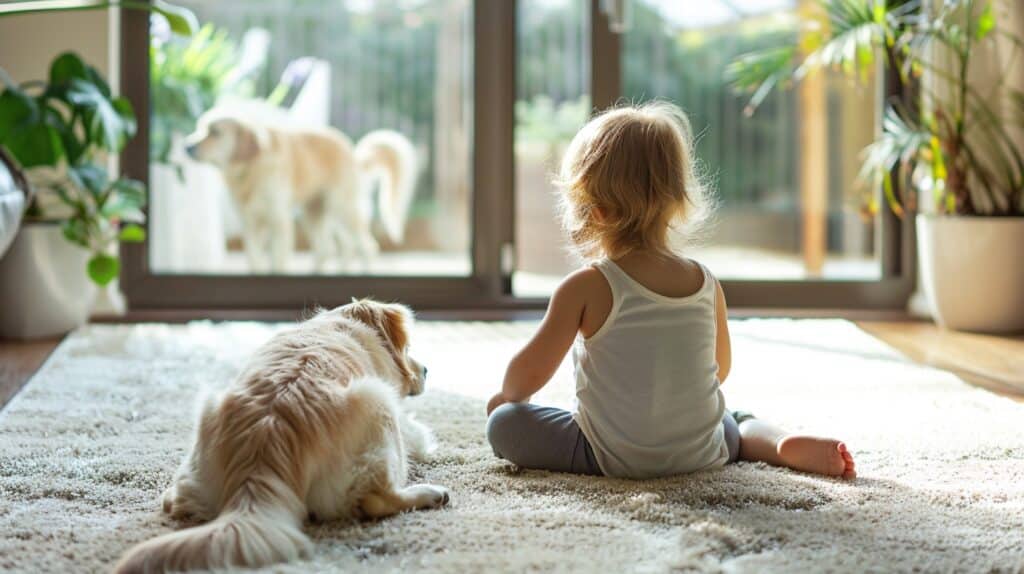
For Melbourne households with young children, pets, or anyone with asthma or chemical sensitivities, the question of what goes into your carpet during cleaning is just as important as how well it cleans.
The good news is that eco-friendly carpet cleaning has advanced significantly. Modern professional-grade non-toxic solutions don’t ask you to trade off cleaning performance for safety — they deliver both. Here’s what you need to know.
What ‘Eco-Friendly Carpet Cleaning’ Actually Means
The term gets used loosely in marketing, so it’s worth being clear about what it actually involves.
Genuinely eco-friendly carpet cleaning covers three things:
- Non-toxic cleaning chemistry. Solutions that are free from harsh solvents, chlorinated compounds, optical brighteners, and volatile organic compounds (VOCs) that off-gas into your indoor air. The benchmark here is recognised certification — not a company’s own claim.
- Responsible water use. Hot water extraction (steam cleaning), when done with professional equipment, uses water efficiently and extracts the vast majority of it back out — leaving minimal wastewater and significantly drier carpet than DIY hire machines.
- No unnecessary chemical residue. Cleaning solutions that rinse out cleanly and don’t leave sticky residue in the fibres that attracts future soil. Residue isn’t just an environmental issue — it’s a carpet performance issue.
The Products We Use — and Why They’re Certified Safe
At The Squeaky Clean Team, we’ve made a deliberate choice about the chemistry we bring into Melbourne homes.
Our primary carpet cleaning solution is Performance Plus by Actichem — a professional-grade cleaning product recognised by the National Asthma Council Australia through their Sensitive Choice programme. This recognition means the product has been assessed and found to be appropriate for use in environments where people with asthma or respiratory sensitivities live.
For wool rugs and delicate natural fibre carpets, we use products that carry WoolSafe® approval and meet the requirements of the Clean Seal programme — independent certifications that verify cleaning chemistry is safe for wool fibres and free from compounds that cause damage or leave harmful residue.
Why does this matter? Because a significant proportion of the Melbourne homes we work in have children, pets, or adults with respiratory conditions. Using certified, non-toxic chemistry isn’t a marketing position for us — it’s just the right standard of care.
Traditional vs Eco-Friendly Methods: An Honest Comparison
Some older carpet cleaning methods relied on solvent-heavy or high-pH chemistry that was effective on stains but left residue, required long ventilation periods, and wasn’t something you’d want a toddler or pet crawling on shortly after treatment.
Modern professional hot water extraction, using certified non-toxic solutions, compares favourably:
Traditional solvent-based cleaning:
- Effective on grease and oil-based stains
- Strong chemical smell; ventilation required
- Residue can attract future soil
- Some solvents classified as VOCs (indoor air quality concern)
Professional hot water extraction with certified solutions:
- Equally effective on the vast majority of household stains
- No harsh smell; safe for re-occupancy within hours
- Rinses out cleanly — no sticky residue
- Certified safe for asthma sufferers, children, and pets
- WoolSafe-approved options for delicate and natural fibre carpets
The only meaningful trade-off is that some very specific stain types (certain oil-based industrial stains, for example) may respond better to targeted solvent treatment. In those cases, we discuss options with you honestly.
Safety for Kids and Pets: What to Look For
If you’re selecting a carpet cleaning service and health safety is a priority, here’s what to ask:
Certification, not just claims. Ask whether the company’s cleaning products carry independent third-party certification. National Asthma Council Sensitive Choice, WoolSafe, and Clean Seal are recognised benchmarks. A company claiming their products are “eco-friendly” or “natural” without certification backing is making a marketing claim, not a verified one. https://actichem.com.au/woolsafe-cleanseal/
Drying time. Non-toxic doesn’t mean safe to crawl on while wet. Regardless of the chemistry used, children and pets should stay off the carpet until it’s fully dry. With professional extraction equipment, this is typically 2–6 hours. Ask your cleaner for an honest estimate based on your specific conditions.
Fragrance. Some “natural” cleaning products use essential oils or synthetic fragrances that can irritate airways — particularly for asthma sufferers. Fragrance-free or low-fragrance certified products are the better choice for sensitive households.
Eco-Friendly Habits Between Professional Cleans
Green carpet care doesn’t stop between professional visits. A few habits make a meaningful difference:
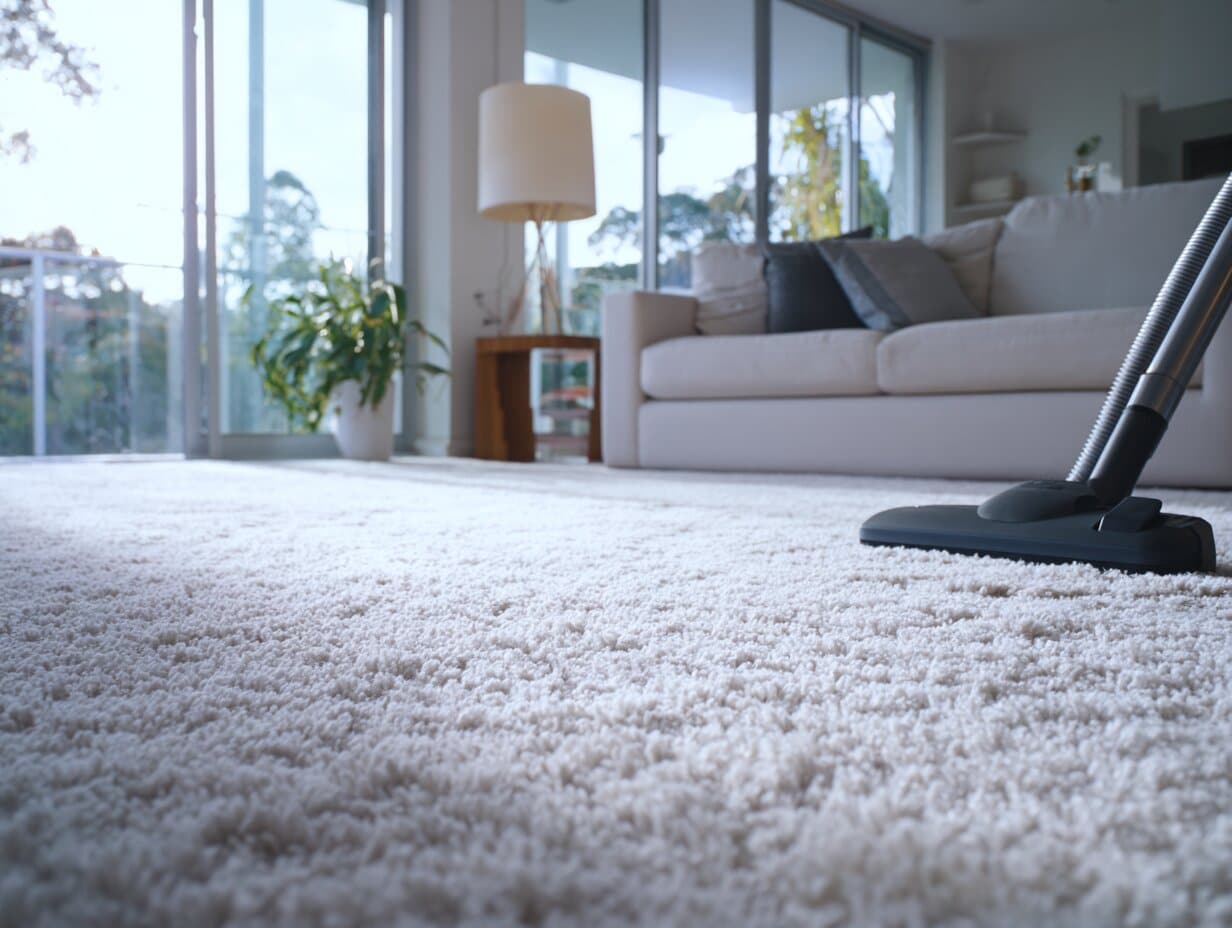
Vacuum with a quality HEPA filter vacuum. Standard vacuums recirculate fine dust and allergens back into the air. A vacuum with a genuine HEPA filter captures these particles rather than redistributing them — a significant indoor air quality improvement, particularly in allergy households.
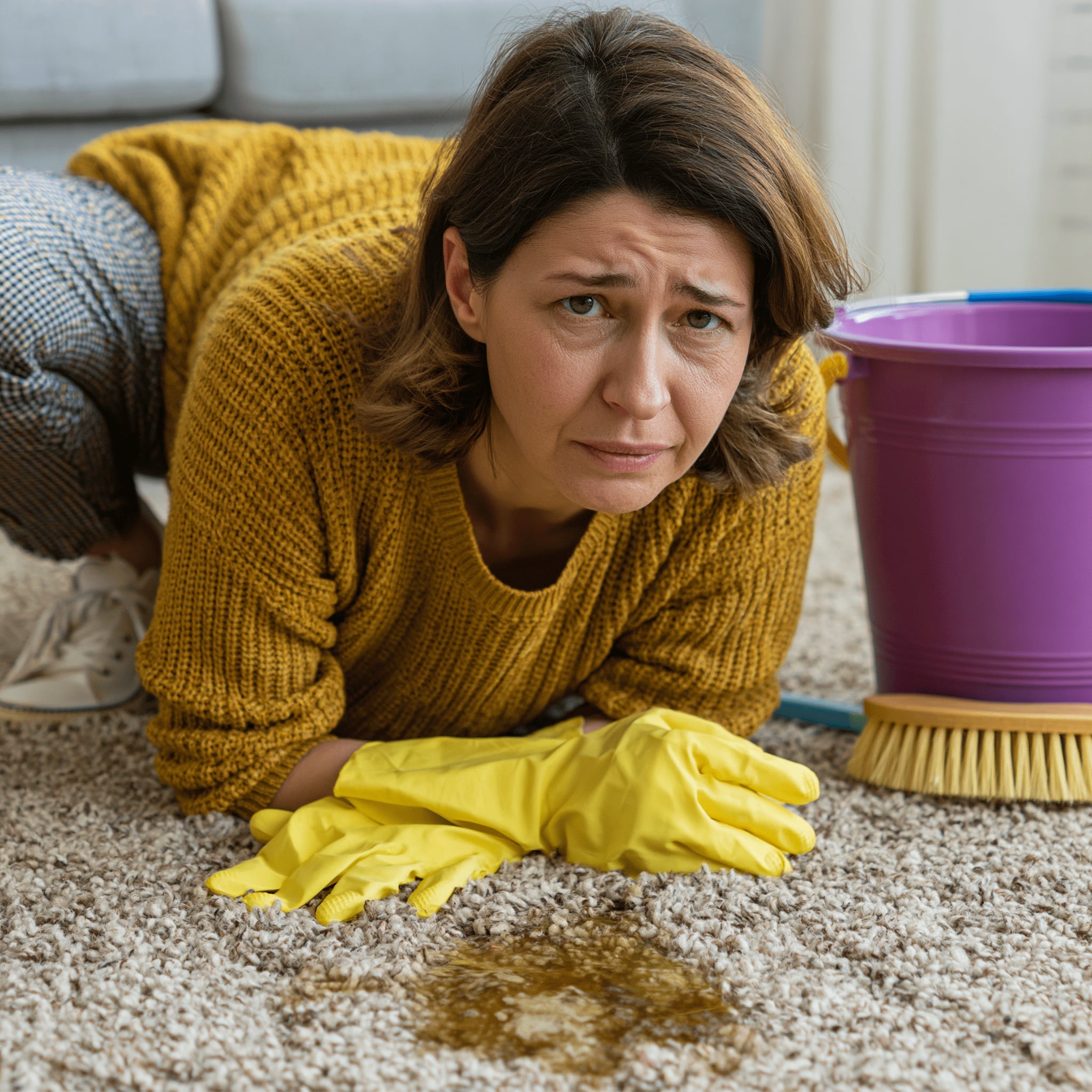
Address spills with minimal chemistry. Cold water and a clean cloth handle a remarkable number of fresh spills effectively. Reach for cleaning products only when water alone isn’t sufficient, and always choose products with recognised certification.
Increase ventilation. Good airflow reduces the build-up of VOCs, dust, and allergens in carpeted rooms. Regular airing — opening windows on dry days — is one of the simplest and most effective environmental improvements you can make.
Regular professional cleaning. Reducing accumulated soil, dust mites, pet dander, and allergens through regular professional cleaning is one of the most impactful things you can do for indoor air quality. For households with asthma sufferers, clinical evidence supports regular professional carpet cleaning as part of an allergen-reduction strategy.
A Note on DIY ‘Natural’ Cleaning Solutions
White vinegar, essential oils, and similar household ingredients are often promoted as eco-friendly carpet cleaning alternatives. To be transparent about where they work and where they don’t:
White vinegar (diluted) is a mild acidic solution that can help neutralise some bacterial odours and assist with certain water-soluble stains. It’s a reasonable option for light, surface-level issues on synthetic carpet.
Essential oils are sometimes added for fragrance but have no meaningful cleaning action. Some can stain light-coloured carpet or irritate airways — ironic for a “natural” solution.
Hydrogen peroxide (3%) has antiseptic properties and can assist with certain stains, but must be tested first as it can bleach some carpet dyes.
None of these replaces professional-grade certified chemistry for deeper cleaning, stain removal, or allergen reduction. They’re useful as a light first-response option — not as a substitute for thorough professional care.
Eco-Friendly Cleaning for Wool and Natural Fibre Carpets
Natural fibre carpets and rugs — wool in particular — require an approach that is already aligned with eco-friendly principles: gentle, pH-appropriate chemistry rather than harsh industrial solvents.
Wool fibres are sensitive to high-pH alkaline cleaners, heat, and excessive moisture. The WoolSafe-approved products we use are specifically formulated to clean effectively within the pH range and chemistry that protects wool’s natural structure. This isn’t just better for the wool — it’s also better for the environment. Gentler chemistry, used correctly, gets the job done without the ecological load of heavier industrial products.
For high-value wool rugs or natural fibre pieces that need a deeper clean than on-site methods can provide, our rug laundry service uses specialist chemistry that meets both WoolSafe and environmental standards. The rug is collected, cleaned off-site with full immersion washing techniques, and returned in significantly better condition than any in-home treatment could achieve.
Frequently Asked Questions About Eco-Friendly Carpet Cleaning
Is eco-friendly carpet cleaning as effective as conventional cleaning?
Yes — for the vast majority of household cleaning situations. Professional-grade non-toxic solutions like Performance Plus by Actichem are formulated specifically for performance as well as safety. They’re not a compromise.
How quickly can children and pets return to the carpet after cleaning?
With any professional cleaning, we recommend waiting until the carpet is fully dry — typically 2–6 hours with our equipment. The chemistry we use is certified safe, but wet carpet is still not ideal for small children or pets crawling on it.
Will eco-friendly solutions work on tough stains?
For most household stains — food, drink, dirt, pet accidents — yes. Some very specific stain types (certain oil-based industrial marks, for example) may require targeted pre-treatment. We’ll always discuss the options honestly with you before we begin.
Do you use fragrance-free products?
Our primary solutions are low-fragrance and in most cases fragrance-free. If chemical sensitivity or fragrance sensitivity is a specific concern for your household, please mention it when you book and we can ensure we’re using the most appropriate products for your situation.
Are your products safe for households with severe asthma?
Performance Plus by Actichem is recognised by the National Asthma Council Australia’s Sensitive Choice programme. We’d still recommend good ventilation during and after cleaning, and allowing the carpet to dry fully before extended time in the room.
Book a Safe, Certified Professional Clean
If chemical safety in your home is important to you — and it should be — we’d welcome the chance to walk you through exactly what we use and why.
The Squeaky Clean Team uses Performance Plus by Actichem (National Asthma Council Sensitive Choice recognised) and WoolSafe & Clean Seal approved products throughout our Melbourne service area.
IICRC certified. Family business. 5,000+ Melbourne homes cared for since 2007.
Book at squeakycleanteam.com.au or call 1300 682 563. We’re happy to discuss your household’s specific sensitivities before you book — no obligation.