Carpet steam cleaning removes most stains when applied with correct dwell time and heat — including coffee, wine, food, mud, and general soiling. Stains that respond poorly to hot water extraction include bleach spots (permanent colour loss), heat-set stains (ironed or dried with a hair dryer), and some synthetic dyes. The Squeaky Clean Team assesses stains before starting and advises on expected outcomes so there are no surprises.
Carpet steam cleaning removes most everyday stains — coffee, red wine, mud, and general soiling — particularly when treated before they set. Stains that have dried and chemically bonded to carpet fibres require targeted pre-treatment with enzyme-based or oxidising solutions before extraction. Stains older than six months have variable outcomes depending on fibre type, dye stability, and the original staining substance.
The short answer is: yes — steam cleaning removes a wide range of carpet stains effectively, and it’s the method our IICRC-certified team relies on. But as with most honest answers, the full picture has a bit more to it.
Not all stains respond equally to steam cleaning, and how the stain was treated before the clean can significantly affect the outcome. Here’s what you actually need to know before booking — or picking up a hire machine.
How Steam Cleaning (Hot Water Extraction) Actually Works
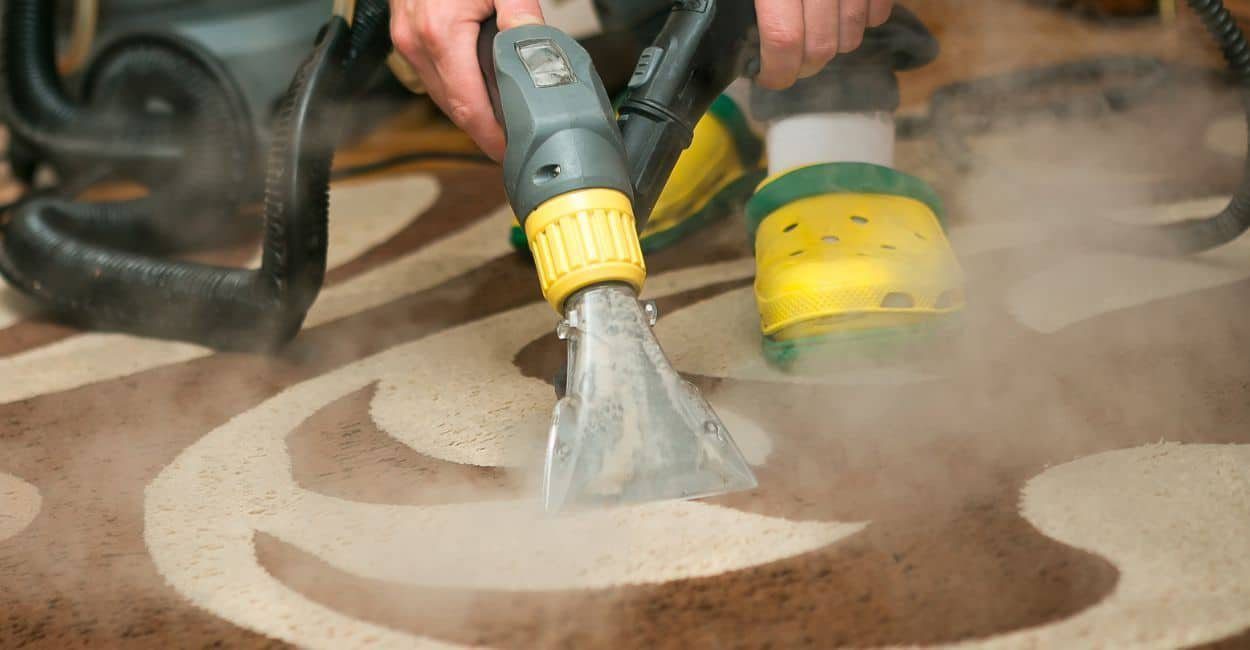
The term “steam cleaning” is widely used, but the process most professional carpet cleaners use is more accurately called hot water extraction.
Here’s the process: a heated water-and-cleaning-solution mixture is injected under high pressure into the carpet pile, reaching deep into the fibres and through to the underlay. The solution agitates and dissolves soils, stains, and biological matter. Immediately, a powerful vacuum extracts the solution along with all the dissolved contaminants back into a recovery tank.
The result: the carpet is cleaned from the fibres outward, not just at the surface. Residual moisture in a professionally cleaned carpet is typically low enough to dry in 2–8 hours depending on conditions.
This is different from carpet shampooing, which uses a detergent solution worked into the fibres with a rotary brush, then either extracted or left to dry and vacuumed. Shampooing can leave detergent residue in the fibres that actually attracts soil faster after cleaning.
Hot water extraction is the method recommended by most carpet manufacturers and by the IICRC (Institute of Inspection Cleaning and Restoration Certification) — the industry’s leading professional standard.
Stains That Steam Cleaning Handles Well
For most common household stains that haven’t been set with heat or treated incorrectly, hot water extraction delivers excellent results:
Food and beverage stains. Coffee, tea, juice, soft drink, wine, sauces — these water-soluble stains respond very well to hot water extraction, particularly if treated within a reasonable time.
Mud and dirt. Steam cleaning lifts deeply embedded soil from carpet fibres more effectively than any surface cleaning method. Dry the mud first before cleaning — don’t try to clean wet mud, as it spreads and sets.
General soiling and traffic marks. The gradual darkening that happens in high-traffic areas from foot traffic is almost entirely due to soil accumulation. Steam cleaning effectively removes this, restoring the carpet’s appearance significantly.
Body oils and skin cells. These break down well under heat and extraction pressure, which is one reason steam cleaning improves indoor air quality as well as carpet appearance.
Allergens, dust mites, and bacteria. The high temperature of the water (typically 80–100°C) kills dust mites and reduces allergen load in the carpet — a significant health benefit for allergy sufferers.
Light pet accidents. Fresh or lightly set pet stains respond well to steam cleaning, particularly when combined with an enzyme pre-treatment.
Stains That Are Harder to Remove
We said we’d be honest, so here’s the part where honesty matters most:
Bleach stains. These are technically not stains — they’re colour removal. No cleaning method replaces colour that’s been bleached out.
Permanent ink and certain dyes. Some chemical dyes have a strong affinity for carpet fibres and resist water-based removal methods. Specialist solvents may help, but results vary and there is a risk of colour spreading.
Old, set stains treated incorrectly. Stains that have been scrubbed with the wrong products, treated with heat, or left for years can become very difficult to remove completely. We can often significantly improve their appearance, but full removal isn’t always possible — and we’ll tell you that before we start.
Rust. Rust requires specific chemical treatment before steam cleaning; hot water alone can actually accelerate oxidation.
Wax and grease treated with the wrong approach. Heat-set grease can be particularly stubborn, though with the right pre-treatment many cases respond well.
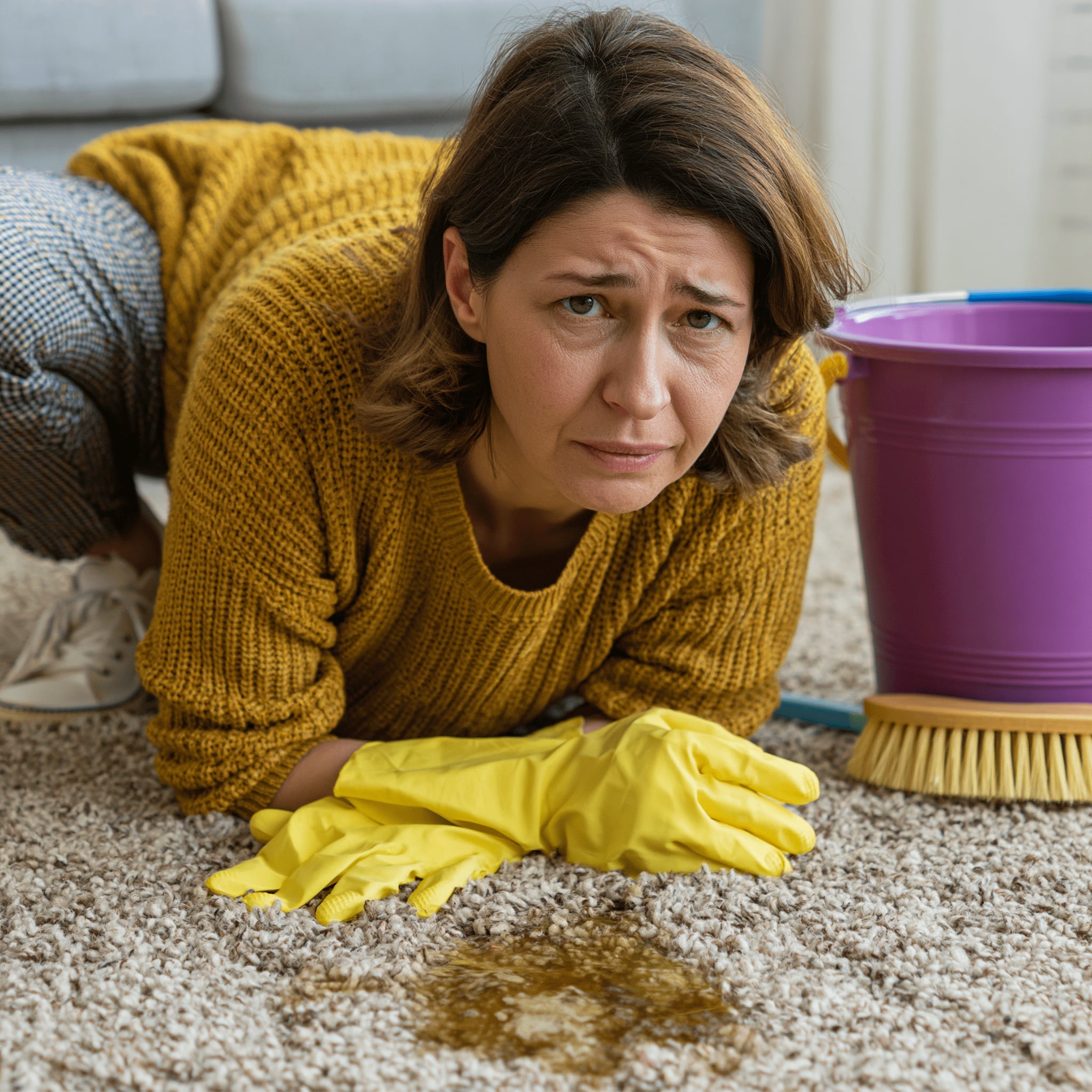
The most important thing we can tell you: if you’ve already tried treating a stain at home with a product, tell us what you used before we begin. Some household cleaning products — particularly those with high pH, bleach components, or harsh solvents — can react badly with professional cleaning chemicals, or lock a stain in further.
Steam Cleaning vs Shampooing vs DIY Hire Machines
A common question we get is: why can’t I just hire a machine from the supermarket and do it myself? Here’s a fair comparison:
Professional steam cleaning (hot water extraction):
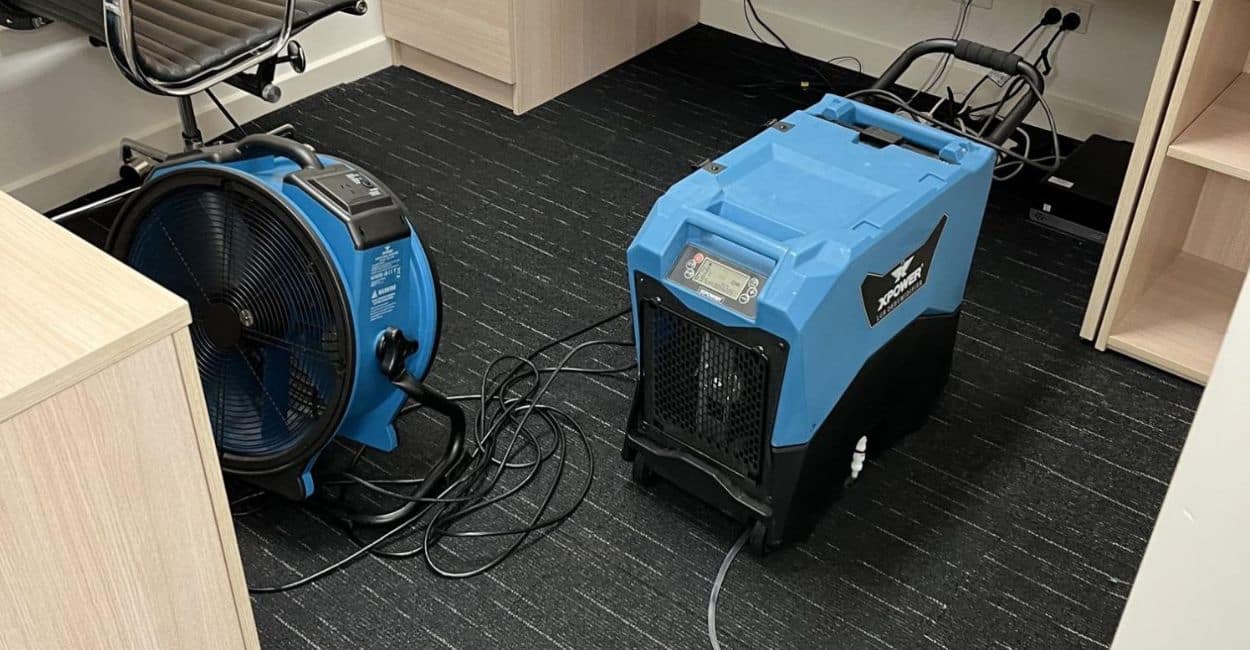
- Truck-mounted or commercial portable units generate significantly more heat and suction than any hire machine
- Less water injected relative to what’s extracted — carpet dries faster, less risk of over-wetting
- IICRC-certified technicians understand fibre types, pre-treatments, and appropriate cleaning solutions
- Equipment maintains consistent temperature and pressure throughout the job
DIY hire machines:
- More affordable upfront, though you also pay for your own time and cleaning solution
- Inject significant amounts of water, extract less efficiently — carpets can take 12–24+ hours to dry, creating mould risk
- Cleaning solutions provided may leave residue that attracts soil
- Less heat and suction means less effective soil and stain removal
- Without training, it’s easy to over-wet, miss pre-treatment steps, or cause damage
Carpet shampooing:
- Works for general maintenance cleaning
- Risk of residue build-up in fibres
- Less effective at deep soil removal than extraction methods
Our honest view: for routine maintenance cleaning of a robust carpet that’s in good condition, a hire machine used carefully can do a passable job. For stain removal, heavily soiled carpets, or any carpet that has value or that you care about, professional cleaning delivers measurably better results and faster drying.
Pre-Treatment: The Step That Makes the Biggest Difference
One thing that separates a professional carpet clean from a DIY attempt isn’t always the equipment — it’s the pre-treatment process.
Before we apply hot water extraction, our technicians assess each visible stain and apply an appropriate pre-treatment solution. Different stains require different chemistry:
Protein-based stains (blood, vomit, pet accidents): Enzyme-based pre-treatments that break down the biological compounds before extraction.
Tannin stains (tea, coffee, red wine, fruit juice): Acidic pre-treatment solutions that lift the tannin bonds from carpet fibres.
Oil and grease stains: Solvent-based or emulsifying pre-treatments that break down the lipid structure before water extraction.
Traffic lanes and general soiling: Alkaline pre-spray that agitates and loosens the oxidised soil that accumulates from foot traffic.
Pre-treating stains with the correct solution typically increases removal rates significantly compared to hot water extraction alone. It’s one of the main reasons professional results look noticeably better than hire machine results, even when the same extraction process is used afterward.
If you’re cleaning a stain yourself before professional treatment, the most important thing is to tell us what you applied. Some household cleaning products leave residue that can react with professional pre-treatments.
Looking After Carpets Between Professional Cleans
Regular steam cleaning is the backbone of carpet maintenance, but what you do between professional cleans determines how long the results last.
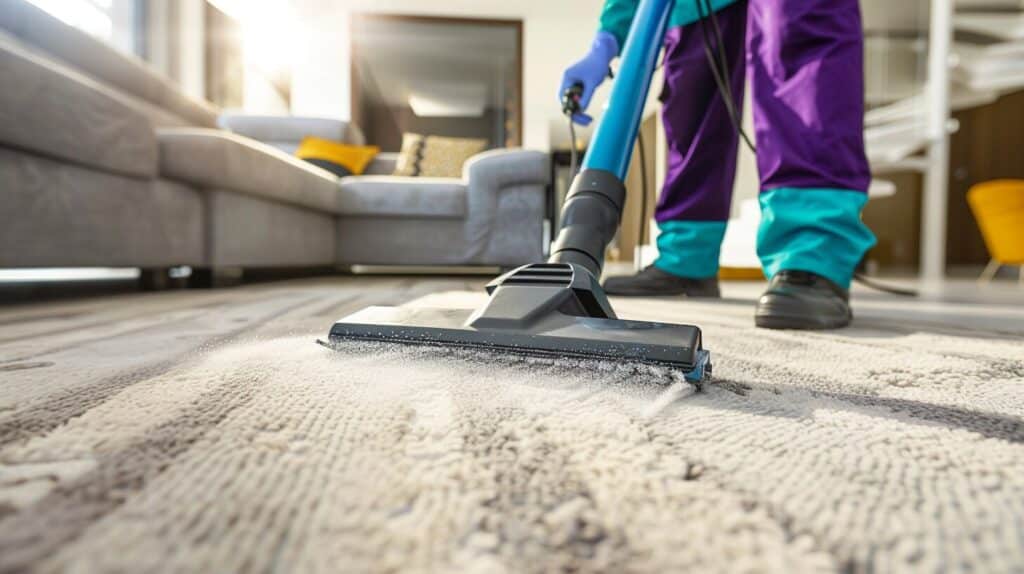
Vacuum consistently. This is by far the most impactful routine habit. Weekly vacuuming in all areas — twice weekly in high-traffic zones — prevents soil from bonding into carpet fibres and dramatically reduces how quickly the carpet appears to “dirty up” after a clean.
Respond to spills immediately. The first five minutes after a spill determine whether it becomes a permanent stain or disappears completely. Keep a small bottle of carpet spot cleaner accessible, and remember: blot, never rub.
Use entry mats. A good mat at every external doorway catches soil before it reaches the carpet. Clean mats regularly — a dirty mat distributes soil rather than capturing it.
Book professional cleans at the right frequency. Keeping surface dirt removed before it works into the fibres is the most effective way to keep carpet looking good between cleans — and the easiest way to do that is simply not letting it accumulate. For most homes, annual professional cleaning is sufficient. For pet and children households, every 6–9 months delivers noticeably better results.
Annual professional cleaning. For most homes, an annual professional steam clean keeps carpets in excellent condition. Homes with pets, children, or heavy traffic benefit from cleaning every 6–9 months.
Frequently Asked Questions
What stains can professional carpet steam cleaning remove?
Professional hot water extraction effectively removes: food and drink stains (coffee, wine, juice, sauces), mud and soil, grease and oil (with pre-treatment), pet urine (with enzyme pre-treatment), mould surface staining, and general traffic soiling. Stains that respond poorly include bleach spots, permanent ink, heat-set stains, and some synthetic dye transfers.
Why do some carpet stains not come out after professional cleaning?
Stains that do not fully respond to professional cleaning typically have one of three causes: the stain has been heat-set (dried with heat, ironed, or left for months), the substance has chemically altered the carpet dye (bleach, rust, mustard), or the stain penetrates to the backing and underlay rather than just the pile. A professional assessment before cleaning will identify these cases.
Does steam cleaning remove pet urine stains and smell?
Hot water extraction alone removes the visible stain but may not eliminate the odour-causing bacteria in pet urine, particularly if the urine has reached the underlay. Effective treatment requires enzyme-based pre-treatment applied before extraction, which breaks down the uric acid crystals causing the smell. The Squeaky Clean Team includes enzyme pre-treatment for all pet urine areas.
Can old carpet stains be removed by professional cleaning?
Old stains are harder to remove than fresh ones because they have had time to bond with the carpet fibre or oxidise. However, many old stains — including wine, coffee, and food — can still be significantly reduced or eliminated with the correct pre-treatment and professional extraction. Bleach spots and stains that have been repeatedly scrubbed or treated with household products are most resistant.
What stains are permanent and cannot be removed from carpet?
Truly permanent stains include: bleach and colour remover (which strip carpet dye, leaving a pale spot), rust (requires specialist treatment and may not fully resolve), mustard (turmeric stains synthetic fibres permanently), and some synthetic inks. Heat-set stains that have been dried on a high setting are also very difficult to resolve. The Squeaky Clean Team advises before starting if a stain is likely to be permanent.
Should I try to clean a stain myself before the professional arrives?
Blot (do not scrub) fresh spills immediately to absorb excess liquid. Avoid using dish soap or household cleaners — these leave residue that attracts more soil and can make professional removal harder. Do not apply heat. For most stains, blotting and leaving the rest to the professional produces the best outcome.
How much does specialist stain removal cost?
Standard stain pre-treatment for common marks (coffee, wine, food) is typically included in a professional carpet clean. Specialist treatment for pet urine, rust, or bleach neutralisation may be quoted separately — typically $20–$50 per stain. The Squeaky Clean Team inspects and quotes any specialist treatment before starting.
Book a professional carpet steam clean with The Squeaky Clean Team at squeakycleanteam.com.au or call 1300 682 563. We service all Melbourne suburbs, price by room or area, and will give you an honest quote with no obligation.