A beautiful rug is one of the most hardworking pieces in any home — it anchors the room, protects your floor, and takes the daily brunt of foot traffic, spills, and pet activity. But cleaning a carpet rug without damaging it requires more care and knowledge than most people realise.
The wrong approach can cause colours to bleed, fibres to distort, backings to crack, or pile to mat permanently. This guide walks you through everything you need to know — from identifying your rug type to choosing the safest cleaning method — so you can keep your rug looking its best for years.
Step One: Identify Your Rug Material
This is the step most people skip, and the one that causes the most damage. Different materials require completely different care:
Wool. One of the most common and durable natural fibres, but sensitive to heat, alkaline cleaners, and excessive moisture. Wool rugs can shrink or felt if exposed to hot water or harsh detergents.
Synthetic fibres (nylon, polypropylene, polyester). Generally more resilient to moisture and cleaning agents than natural fibres. More forgiving with DIY methods, but still vulnerable to heat damage.
Cotton. Easy to clean but prone to shrinking if washed in hot water. Flat-weave cotton rugs can usually tolerate more moisture than their pile counterparts.
Silk and silk-blend. Delicate and easily damaged by moisture, friction, and most cleaning chemicals. Professional cleaning is almost always the right choice for silk rugs.
Jute, sisal, seagrass. Natural fibre rugs that are particularly sensitive to moisture — wet cleaning can cause them to shrink, warp, or develop mildew. Dry cleaning or minimal-moisture methods are best.
Antique or hand-knotted rugs. These require specialist care. Improper cleaning can permanently affect the dyes, structure, and value of a hand-crafted piece.
If you’re not sure what your rug is made from, check the care label on the back, look it up by its product name, or contact us before cleaning — a quick conversation could save you an expensive mistake.
Regular Maintenance: Vacuuming the Right Way
For most rugs, regular vacuuming is the single most important thing you can do to preserve its life and appearance. It removes the dry soil and grit that, when left in the fibres, acts like sandpaper and gradually breaks down the pile.
Frequency: High-traffic rugs should be vacuumed at least once a week. Decorative rugs in low-traffic areas can get away with fortnightly.
Technique:
- Vacuum both sides of the rug where possible — a significant amount of soil works its way through to the back
- Use a suction-only setting for delicate or looped pile rugs — the rotating brush bar can pull and damage these fibres
- Vacuum with the pile, not against it, to avoid distorting the nap
- For flat-weave rugs, vacuuming in the direction of the weave protects the structure
Beating. For smaller rugs, taking them outside and beating them over a railing or clothesline with a broom handle is an effective traditional method for removing deep-seated dry soil that vacuuming misses.
Spot Cleaning: Treating Stains Without Spreading Them
Spills happen. The key is responding quickly and correctly.
Act immediately. The longer a spill sits, the more it penetrates the fibres and the harder it becomes to remove. Blot up as much of the liquid as possible with a clean, absorbent cloth — working from the outside edge of the spill inward to avoid spreading it.
Blot, never rub. Rubbing spreads the stain, pushes it deeper into the fibres, and can distort the pile. Always press and lift.
Test your cleaning solution first. Apply a small amount to an inconspicuous area (a corner folded underneath) and check for colour run or fibre damage before treating the stain.
Appropriate solutions for common stains:
- Food and drink (water-based): diluted mild detergent or a 50/50 water-and-white-vinegar solution
- Red wine: blot first, then treat with sparkling water before a mild detergent solution
- Grease and oil: a small amount of diluted dish soap, applied carefully
- Pet urine: enzyme-based cleaner (see our dedicated pet urine guide for full detail)
- Mud: let it dry completely before vacuuming, then spot treat any residual stain
Avoid using bleach, oxygen whiteners, or generic all-purpose sprays on rugs unless you’ve confirmed they’re safe for the specific fibre type.
Deep Cleaning: Shampoo vs Steam Cleaning
When regular vacuuming and spot cleaning aren’t enough — typically once or twice a year — your rug needs a deeper clean.
Carpet shampoo (wet cleaning). This method uses a shampoo solution worked into the fibres and then extracted or rinsed out. It’s effective for synthetic rugs and hardy wool blends, but carries a higher risk of over-wetting, colour bleeding, and backing damage if not done carefully.
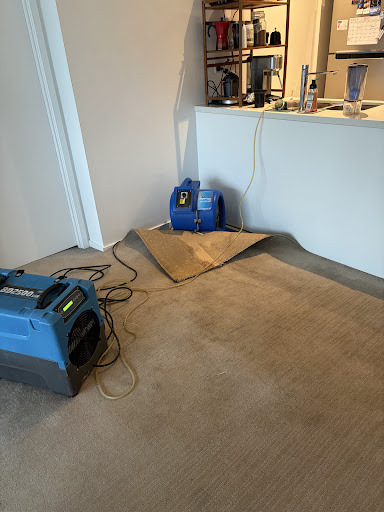
Steam cleaning (hot water extraction). This is the method our professional team uses — hot water and cleaning solution are injected into the fibres under pressure and immediately extracted along with the dissolved soil. When done correctly it’s thorough, effective, and leaves minimal residual moisture.
DIY hire machines. Carpet cleaning machines can be hired from hardware stores, and they work reasonably well on robust, synthetic carpets and rugs. The limitations are: they inject more water than they extract effectively (leaving the rug very wet and vulnerable to mould), the cleaning solutions provided are often harsh, and without professional training it’s easy to over-wet or unevenly clean the rug.
The honest advice: for wool, antique, hand-knotted, silk, or any high-value rug, professional cleaning is the right choice. The risk of permanent damage from a DIY deep clean is real, and repair or replacement is almost always more expensive than professional cleaning.
Drying Your Rug Properly
Improper drying is one of the most common causes of rug damage and odour. A rug that stays wet too long will develop mildew in the backing, the pile, or both.
After any wet cleaning:
- Extract as much moisture as possible before moving the rug
- Lay the rug flat or hang it over a railing or fence in a well-ventilated area
- Elevate it if possible — placing it on chairs or a trestle so air can circulate underneath
- In warmer months, drying in direct sunlight is fine for most synthetic rugs, but avoid prolonged sun exposure for wool and natural fibre rugs as it can bleach or fade the colours
- Use fans or dehumidifiers indoors to speed up drying in cooler or more humid conditions
- Do not return the rug to its position until it is completely dry — press your hand firmly into the backing; if it feels cool or damp, it needs more time
Common Mistakes That Cause Damage
In our years of cleaning Melbourne rugs and carpets, these are the mistakes we see most often:
Using too much water. The number one cause of rug damage and post-cleaning mould.
Using the wrong cleaning product. An alkaline cleaner on a wool rug, or a bleach-based product on a coloured rug, can cause irreversible damage.
Scrubbing stains. Always blot — never scrub.
Not testing the cleaner first. Colour bleeding happens quickly and can’t be undone.
Returning the rug to its position before it’s dry. This traps moisture against the floor, promotes mould, and can stain both the rug backing and the floor beneath.
Leaving a stain too long before treating it. A 10-minute response makes a stain significantly easier to remove than a 24-hour one.
How Often Should You Clean Your Rug?
The right cleaning frequency depends on where the rug lives and the traffic it handles:
High-traffic areas (entrance halls, living areas, under coffee tables): Vacuum twice weekly. Spot clean as needed. Deep clean every 6–12 months.
Medium-traffic areas (dining rooms, study, bedrooms): Vacuum weekly. Deep clean annually.
Decorative or low-traffic rugs: Vacuum fortnightly. Deep clean every 18–24 months.
Rugs in pet households: Add one full cleaning cycle per year. Pets accelerate soil and odour accumulation significantly.
A professional clean at the right interval isn’t just about appearance — it also preserves the structural integrity of the rug. Accumulated grit and soil acts as an abrasive on the fibre connections, and rugs that are cleaned regularly simply last longer.
One useful rule of thumb: if your rug has developed any persistent background smell, or if you can see visible darkening in the pile that doesn’t improve with vacuuming, it’s time for a professional clean regardless of when the last one was.
Area Rug Storage: Protecting Your Rug When Not in Use
If you rotate rugs seasonally, or store one during a move or renovation, how you store it matters as much as how you clean it.
Before storage:
- Have the rug professionally cleaned before storing. Soils and biological matter left in a stored rug will break down over time and damage the fibres, attract insects, and develop strong odours.
Rolling vs folding:
- Always roll a rug — never fold it. Folding creates permanent crease marks in the pile and can crack the backing of some rug types.
- Roll pile-side out (pile facing outward, backing inside) to reduce pressure on the pile fibres.
Storage conditions:
- Store in a cool, dry location with good air circulation. Never seal a rug in a plastic bag — moisture accumulates and mould will follow.
- Wrap in breathable material: acid-free paper or a cotton sheet, not plastic.
- Elevate off the floor if possible, particularly in garages or storage units where floor moisture can be an issue.
Moth protection:
- Wool and natural fibre rugs are susceptible to moth damage during storage. Cedar blocks or lavender sachets are mild deterrents. For long-term storage of valuable rugs, a professional moth treatment before storage is worth considering.
When to Call a Professional
Some situations call for professional care, and knowing when to make that call saves you money and protects your rug:
- Any rug with significant sentimental or monetary value
- Silk, wool, antique, or hand-knotted rugs
- Large area rugs that can’t be managed easily at home
- Stains that haven’t responded to two careful DIY attempts
- Any odour that persists after your own cleaning
- If you’re not confident about the fibre type or appropriate cleaning method
For most rugs, professional on-site cleaning delivers excellent results — we come to you, treat the rug in place, and leave it to dry. But for high-value rugs, natural fibre pieces like wool or silk, or rugs with difficult stains or persistent odour, we offer a rug laundry service that goes further.
Our rug laundry service involves collecting the rug, taking it off-site, and giving it a specialist deep wash that reaches the full thickness of the pile and backing — including sub-surface contamination that in-home equipment simply can’t access. It’s a more involved process, and priced accordingly, but it delivers results that on-site cleaning cannot. If you have a cherished or valuable rug that needs more than a standard clean, this is the service worth considering.
At The Squeaky Clean Team, we clean rugs of all types and conditions — and we’ll always be honest with you about what we can and can’t achieve. We price by the job, not by the hour, so there are no surprises.
Book a rug cleaning assessment at squeakycleanteam.com.au or call us on 1300 682 563.