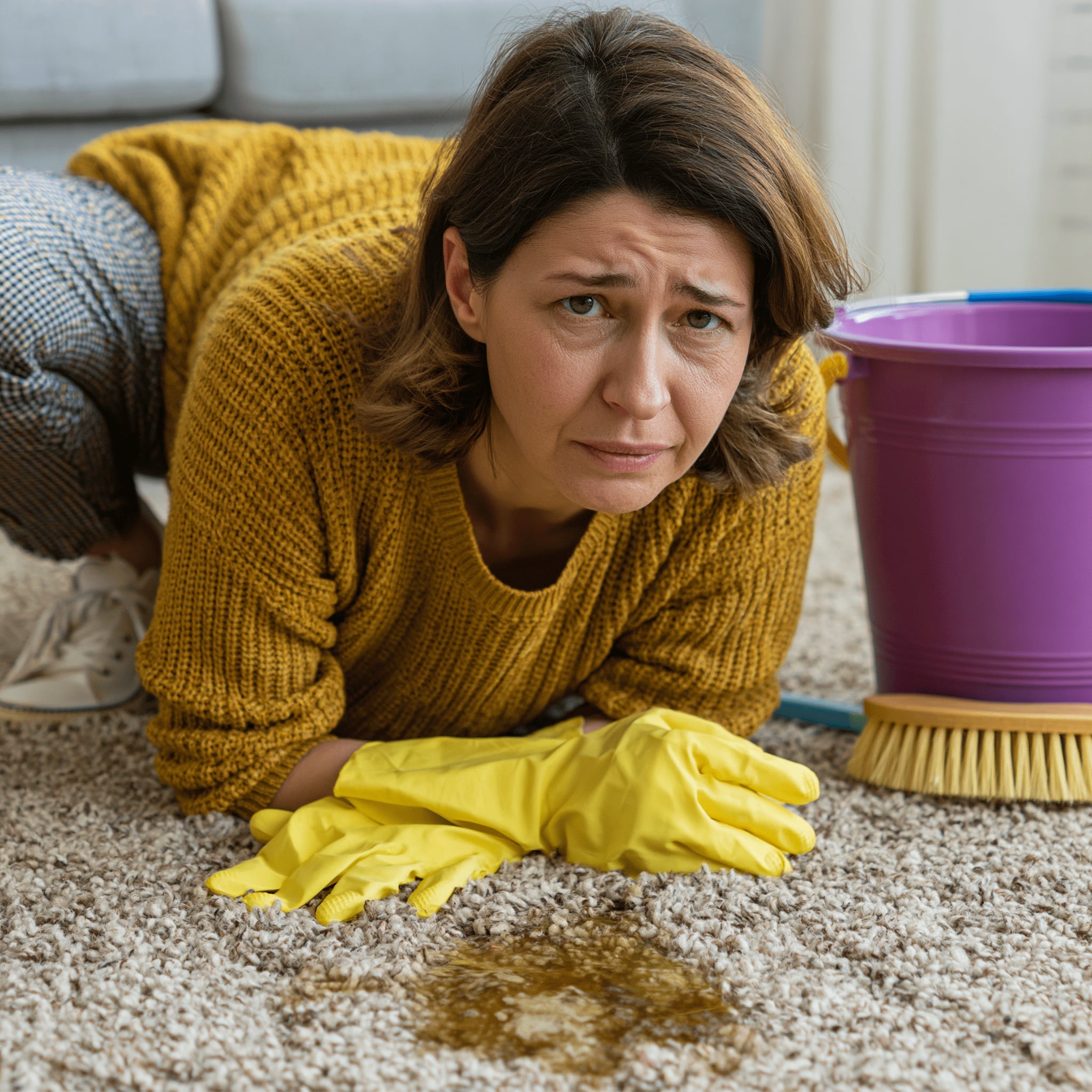
That damp, musty smell coming from your carpet isn’t just unpleasant — it’s a signal that something is actively happening inside your flooring. Whether it appeared after a rain event, a leaking window, a pipe issue, or even just an unusually humid Melbourne week, wet carpet odour needs to be addressed promptly and correctly.
The good news is that if you act quickly, many cases of wet carpet smell can be resolved without expensive professional intervention. But understanding why it happens is the key to making sure it doesn’t come back.
What Causes That Wet Carpet Smell?
The smell isn’t just “wet fabric.” Several things are happening simultaneously:
Microbial activity. The most significant contributor to damp carpet odour is bacterial and fungal growth. Carpet fibres, the underlay, and even the floor beneath provide organic material and moisture — the ideal conditions for microorganisms to thrive. They produce odorous compounds as a byproduct of their activity.
Activated residue. Every carpet contains oils, skin cells, dust, and organic matter that’s accumulated over time. When moisture is introduced, these materials are reactivated and release their own smell.
Mould. In conditions where moisture persists beyond 24–48 hours, mould spores — which are always present in the air — begin to colonise the carpet and underlay. This produces the sharp, earthy “musty” smell that’s distinct from simple dampness.
The underlay. Carpet underlay is highly absorbent and slow to dry. It retains moisture long after the carpet surface feels dry, allowing odour-producing processes to continue out of sight.
Immediate Action Steps: What to Do Right Now
Speed is everything with wet carpet. Here’s what to do in the first few hours:
- Identify and stop the source. If the moisture is ongoing — a leaking pipe, an open window in the rain — stop it before doing anything else to the carpet.
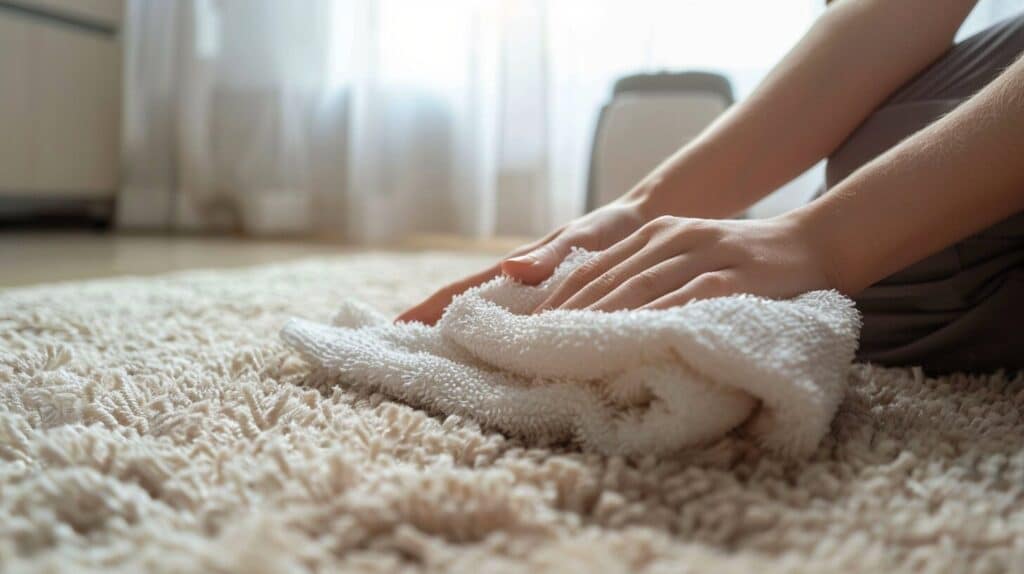
- Blot, don’t rub. For smaller wet areas, use clean, absorbent towels to blot up as much surface moisture as possible. Press firmly and hold for several seconds before lifting. Rubbing spreads the moisture and can damage fibres.
- Extract with a wet/dry vacuum. If you have access to a wet/dry vacuum (shop vac), use it. Multiple slow passes will pull a significant amount of moisture from the fibres. A regular household vacuum should never be used on wet carpet.
- Lift the carpet edge if possible. In a corner or doorway area, carefully lifting the carpet edge allows you to check the underlay’s condition and helps airflow reach both sides. If the underlay is saturated, it will need to be addressed separately.
- Act within the first hour or two. The difference between a 2-hour and 24-hour wet carpet in terms of bacterial growth and odour is dramatic. Don’t wait to see if it dries out on its own.
Using Airflow and Dehumidifiers Effectively
Drying the carpet properly is the single most important step in eliminating wet carpet smell — and it requires more than just opening a window.
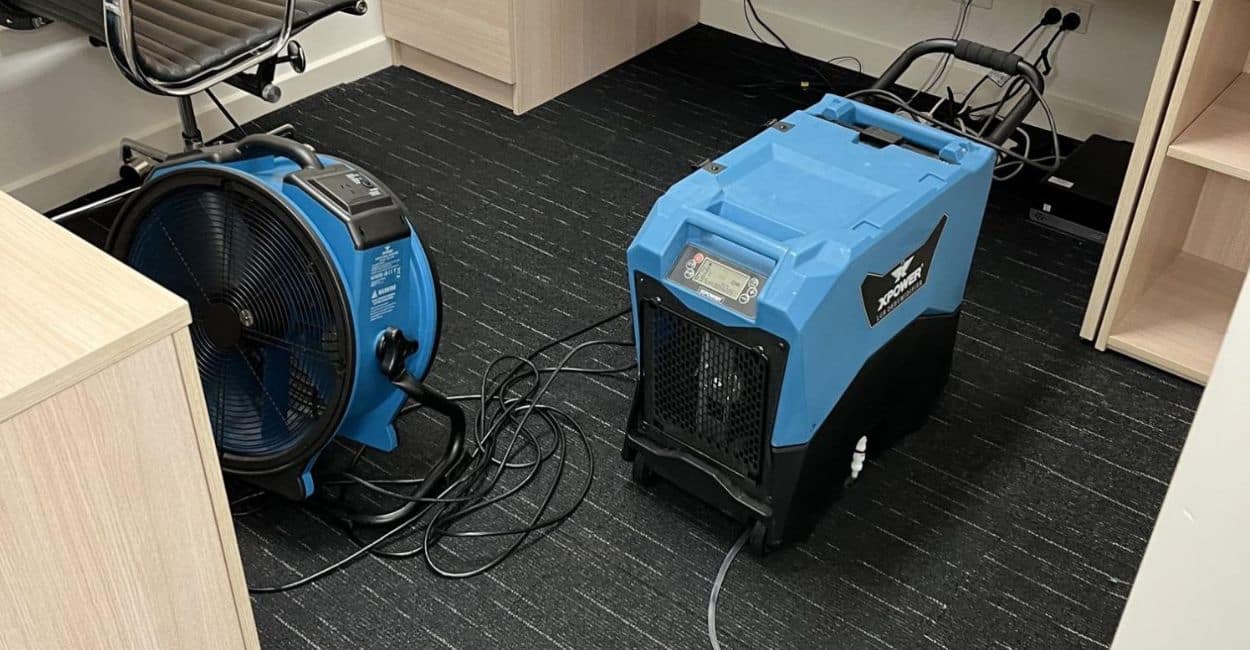
Air movers and fans. Position fans to blow across the carpet surface at a low angle, not directly downward. This creates the airflow pattern that evaporates surface moisture most effectively. Commercial air movers (the kind professional cleaners use) are significantly more powerful than household fans, but even a good pedestal fan helps.
Dehumidifiers. As moisture evaporates from the carpet, it enters the ambient air. Without a dehumidifier, the relative humidity in the room will rise and actually slow down further drying. A portable dehumidifier with the windows closed will dramatically accelerate the drying process.
Room temperature. Warmer air holds more moisture and evaporates water more quickly. If it’s safe and practical to run heating in the affected room, it will help.
Ventilation strategy. This sounds counterintuitive, but you should only open windows when the outside air is drier than the inside air. In Melbourne during humid summer conditions, opening windows may actually slow drying. Check the humidity — your phone’s weather app will give you this.
DIY Odour Solutions
Once you’ve done the heavy work of moisture extraction and drying, these approaches can help address residual smell:
White vinegar solution. A 50/50 solution of white vinegar and water, lightly misted onto the carpet (not soaked in), can help neutralise bacterial odour. The vinegar smell itself dissipates as it dries. This works well for mild, surface-level odour caught quickly.
Enzyme-based carpet deodorisers. Available from hardware and pet supply stores, enzyme solutions break down the organic compounds causing the smell at a molecular level — not just masking them. Follow the product instructions carefully; most require adequate dwell time before blotting up the residue.
A word of honesty: these DIY solutions work well for mild, surface-level odour in carpets that were caught quickly and dried thoroughly. They will not resolve deep-seated odour from carpets that have been wet for an extended period, or where mould has established itself. In those cases, professional treatment is the right call.
Health Risks: Why You Shouldn’t Ignore Wet Carpet Smell
Persistent wet carpet smell is more than an inconvenience — it can signal health risks for the people in the home.
Mould spores released into the air are respiratory irritants. In people with asthma, allergies, or compromised immune systems, prolonged mould exposure can cause or worsen respiratory symptoms. Even for healthy adults, living with active mould growth in flooring is not ideal.
Certain bacterial species that thrive in wet carpet can also produce compounds that irritate the eyes, nose, and throat.
If the smell has persisted for more than a few days, or if anyone in the household is experiencing unexplained respiratory symptoms, addressing the carpet situation — either properly or by removing the affected material — is the right call.
The Melbourne Climate Factor
Melbourne’s climate creates specific challenges when it comes to wet carpet — particularly during autumn and spring when the city experiences its most unpredictable weather.
The temperature swings between day and night, combined with elevated rainfall in certain months, mean that damp or slightly wet carpet in a Melbourne home can take significantly longer to dry than in drier climates. A carpet that might dry in 4 hours on a warm, dry day in February could take 12 or more hours during a humid April week.
Two Melbourne-specific factors that accelerate wet carpet smell:
Downstairs and below-grade rooms. Ground-floor and basement-level rooms are significantly more susceptible to moisture problems. Concrete slabs can radiate moisture upward, and drainage issues are more common at lower levels. If your downstairs carpet consistently smells damp, there may be a sub-floor moisture issue worth investigating.
Older Melbourne homes. Many Victorian and Edwardian homes across Melbourne’s inner suburbs have limited under-floor ventilation, which allows moisture to build up in the subfloor and migrate into the carpet from below. If you’ve had recurring damp carpet smell in an older home, it’s worth checking whether the subfloor has adequate ventilation before re-carpeting or investing in expensive cleaning.
Our team works across all Melbourne suburbs and understands these local building and climate factors. When we assess a wet carpet situation, we’re not applying a generic national template — we’re drawing on 17+ years of working specifically in Melbourne homes.
What Does Mould Actually Look Like in Carpet?
Many people don’t know they have mould in their carpet until the smell prompts them to look more closely. Here’s what to watch for:
Visual signs:
- Discolouration — white, grey, green, or black patches in the pile or at the carpet’s edge
- Dark staining that doesn’t correspond to a known spill
- A “dirty” appearance in an area that can’t be vacuumed out
Smell: Active mould has a sharp, earthy smell that’s distinct from simple dampness. If you’ve blotted up the water source and the carpet has dried but the smell has changed from “damp” to “musty,” that’s a strong indicator of mould activity.
Beneath the carpet: Mould in the underlay often isn’t visible without lifting the carpet edge. If you have a persistent smell and the carpet surface appears clean, a professional moisture assessment is worth having done.
It’s worth emphasising: not every damp smell is mould, and not every mould situation is a crisis. Many cases are addressed effectively with proper professional cleaning and drying. The key is not to ignore the smell and hope it resolves on its own — it rarely does.
When Professional Cleaning Is Required
Some situations genuinely require professional attention, and recognising them early will save you time, frustration, and money in the long run.
Call a professional if:
- The wet area is larger than a square metre or two
- The carpet has been wet for more than 24 hours
- You can smell mould — not just dampness, but the sharp, earthy smell of active fungal growth
- The smell persists or returns after your own cleaning attempts
- The water source was not clean tap water (washing machine overflow, rain flooding, etc.)
- You can see any discolouration, darkening, or visible growth in the carpet or at its edges
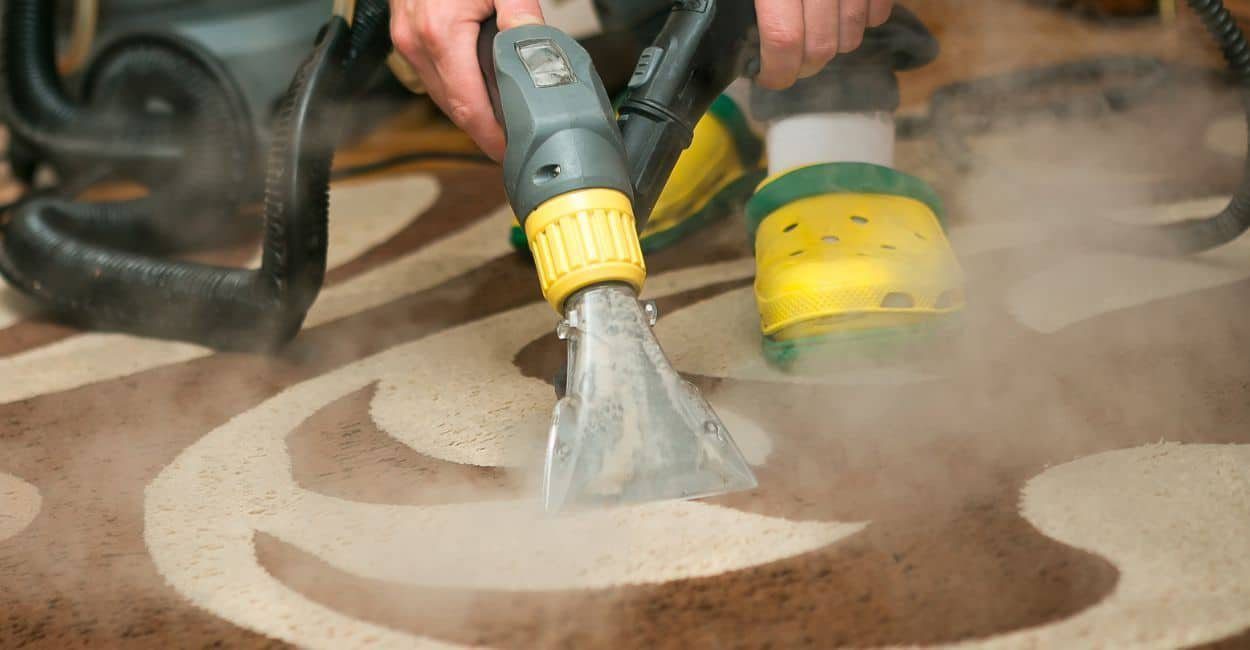
Our IICRC-certified team uses commercial extraction equipment, commercial-grade antimicrobials, and professional drying equipment that simply can’t be replicated with household tools. We’ll also assess whether the underlay needs to be replaced — which is often the step DIY approaches miss, and the reason the smell keeps coming back.
The Squeaky Clean Team is available 24/7 for water damage and wet carpet emergencies. Call us on 1300 682 563 and we’ll give you an honest assessment over the phone before you commit to anything.