Water damage restoration in Melbourne typically costs $1,500–$8,000 for residential properties, depending on the water source, affected area size, and response time. Category 1 (clean water from a burst pipe) is least expensive; Category 3 (sewage or stormwater intrusion) requires additional safety protocols and costs significantly more. Acting within 24 hours reduces both damage extent and total restoration cost.
“How much will this cost me?”
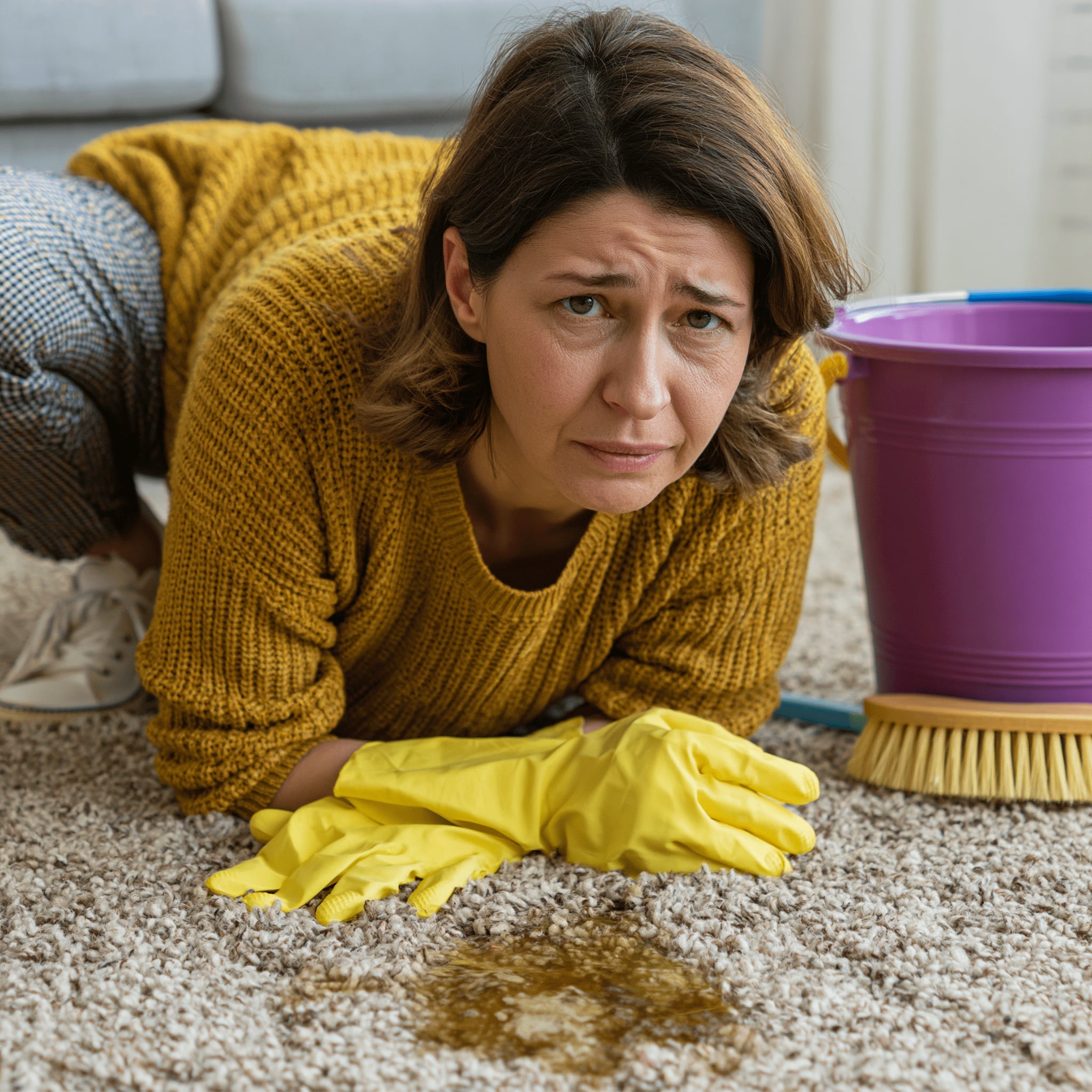
It’s 2am. You’re standing in water. Your carpet is soaking wet. And that’s the first question everyone asks.
I get it. You’re stressed. Worried about insurance. Concerned about whether you can afford professional help. Wondering if you should just try to dry it yourself.
After restoring over 5,000 Melbourne properties since 2007, I can tell you exactly what water damage costs. Not vague estimates. Not “it depends” answers. Real numbers from real jobs.
But more importantly, I can tell you what water damage costs if you wait. Because that number is always higher.
Here’s the honest truth about water damage costs in Melbourne—what we charge, what others charge, and why speed saves you thousands.
The Quick Answer: What Most Jobs Actually Cost
Let’s start with the numbers you came here for.
Based on our 5,000+ restorations, here’s what most Melbourne homeowners actually pay:
Small Water Damage (Under 2m²)
Examples: Small washing machine leak caught quickly, minor toilet overflow, dishwasher leak
Cost range: $600-$1,200
What’s included:
- Emergency water extraction
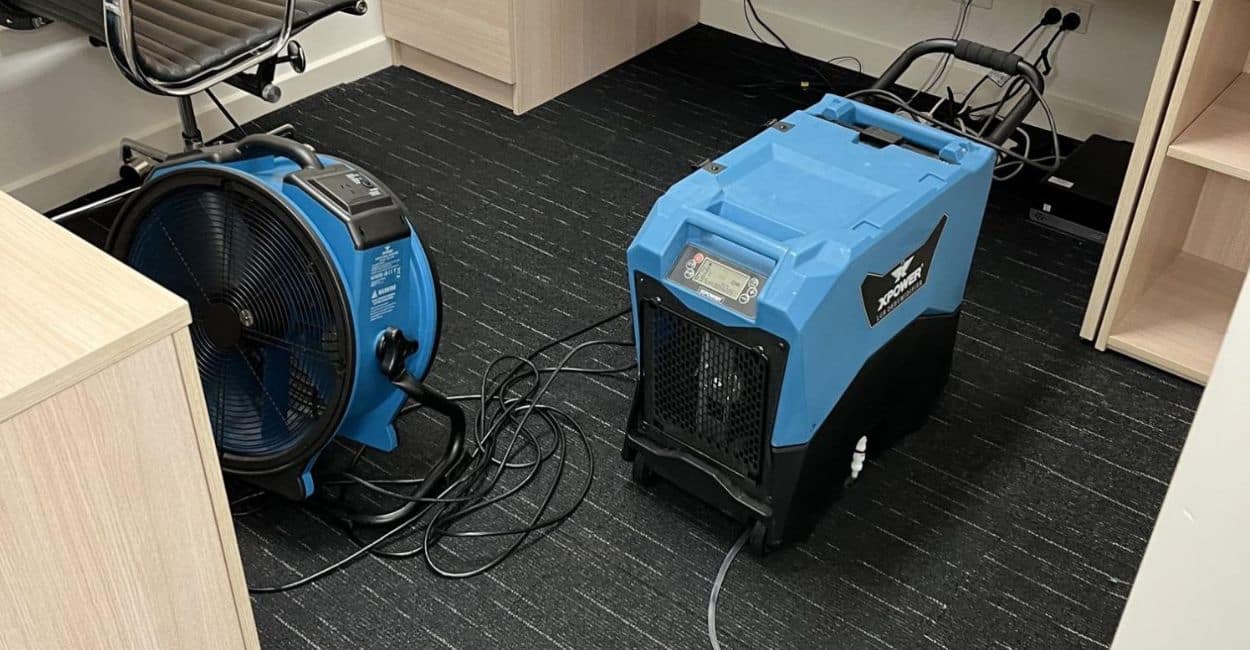
- One air mover and one dehumidifier
- 1-2 days of drying
- Moisture verification
- Basic documentation
Typical scenario: Washing machine waste pipe popped out, you noticed within an hour, turned it off quickly. Affected area is small bedroom or laundry area.
Medium Water Damage (Multiple Rooms)
Examples: Burst pipe affecting 2-3 rooms, washing machine that ran overnight, hot water system failure
Cost range: $1,500-$3,500
What’s included:
- Emergency water extraction
- 3-5 air movers and 2-3 dehumidifiers
- 3-5 days of drying with daily monitoring
- Moisture meters + thermal imaging
- Complete insurance documentation
- Antimicrobial treatment if needed
Most common: This is where 60-70% of our jobs fall. The typical “came home from work to find flooding” scenario.
Large Water Damage (Whole Property or Structural)
Examples: Multiple rooms with structural drying needed, ceiling damage, wall cavity moisture, subfloor saturation
Cost range: $5,000-$10,000
What’s included:
- Comprehensive extraction across entire property
- 8-12+ air movers and 4-6+ dehumidifiers
- 7-14 days of intensive drying
- Daily monitoring and equipment repositioning
- Thermal imaging and moisture mapping
- Wall cavity drying (may require baseboard removal)
- Ceiling cavity drying if needed
- Complete documentation package
- Coordination with insurance assessors
Typical scenario: Property unoccupied over weekend, burst pipe or hot water system, water spread throughout property before discovered.
Commercial Property Water Damage
Examples: Office flooding, retail space damage, hospitality venue
Cost range: $3,000-$20,000+ depending on scale
Special considerations:
- Business continuity planning
- After-hours equipment operation
- Larger areas requiring more equipment
- Potential revenue loss mitigation
- Faster turnaround demanded
Real example: Cricket Australia headquarters, 350m² affected, 13 days intensive drying with up to 30 air movers and 12 dehumidifiers simultaneously. Read the full case study
What You’re Actually Paying For (Equipment Economics)
Many people don’t realize: When you hire a restoration company, you’re primarily paying for equipment, not labor.
Let me break down what our $200,000+ equipment investment means for you:
Equipment That Other Companies Don’t Have
Truck-mounted extraction systems: $50,000-$80,000 each
- We own multiple systems
- 1,270+ cm water lift suction (rental: 250 cm)
- Extract 95% of water vs 30% from basic equipment
- Unlimited power (doesn’t trip your house circuits)
- Heated extraction up to 120°C
Industrial air movers: $800-$1,500 each
- We own 30+ units
- 2,000+ CFM airflow each
- Strategic positioning changes daily
- Can deploy 10-30 units on large jobs
Commercial dehumidifiers: $2,000-$4,000 each
- We own 12+ units
- 150+ pints per day extraction capacity
- Run continuously for days
- Monitor and adjust daily
Thermal imaging cameras: $3,000-$8,000
- Professional-grade infrared
- Finds hidden moisture
- Prevents mould disasters
- Strengthens insurance claims
Scientific moisture detection: $500-$2,000
- Calibrated moisture meters
- Precise readings throughout drying
- Verification before completion
- Documentation for insurance
This equipment investment is why:
- We can respond within 60 minutes 24/7
- We can scale from 1 room to 350m² immediately
- We dry properties 3-5 times faster than rental equipment
- We prevent mould (5,000+ properties, zero mould issues)
- We get insurance claims approved consistently
According to the IICRC (industry certification body), professional-grade equipment combined with proper technique is the difference between successful restoration and expensive problems.
Learn more about our professional equipment
Cost Breakdown by Cause (What We Actually See)
Different water damage causes have different average costs. Here’s what 17 years of data shows:
Washing Machine Floods: Average $1,500
Why this cost:
- Usually 2-3 rooms affected
- Clean water (Category 1) typically
- 2-4 days drying time
- Standard extraction + drying equipment
When it costs more: If you weren’t home and machine ran for hours/days. Brunswick apartment disaster: 6 units affected, $45,000+ total because machine ran all weekend.
Prevention cost: $0 (check waste pipe monthly) vs $1,500 restoration
Most expensive washing machine flood we’ve seen: Brunswick apartment, 6 units, $45,000+
Why washing machines cause more floods than burst pipes
Burst Pipes: Average $3,000+
Why costs more:
- Significant volume of water under pressure
- Often affects walls and ceilings (structural drying)
- May require 7-10 days drying
- Thermal imaging essential to find extent
Variables that increase cost:
- Location of burst (ceiling worse than floor)
- How long before discovered
- Water damage to walls requiring baseboard removal
- Ceiling cavity moisture
Real example: Accountants practice burst pipe over Easter, 100+ staff office, insurance said 2 weeks minimum. We had them dry and operational Tuesday after Easter. Cost ~$4,500 but saved weeks of business disruption.
Storm Damage: $1,200-$4,000
Why the range:
- Depends on entry point and spread
- Roof leaks often affect ceilings (expensive)
- Window leaks usually more contained (cheaper)
- Clean water but large volumes
Melbourne consideration: Our climate means storm damage less common than other causes, but when it happens can be extensive.
Sewage Backup (Category 3): $5,000+ including carpet replacement
Why significantly more expensive:
- Health hazard requiring specialized treatment
- Usually requires carpet replacement ($2,000-$5,000)
- Antimicrobial treatments essential
- Decontamination procedures
- PPE and safety protocols
- Cannot be salvaged in most cases
Exception: That $10,000 Italian carpet in Brighton? We saved it with three decontamination treatments over 2 days because it was irreplaceable. But that’s rare.
According to Better Health Victoria, sewage contains bacteria, viruses, and pathogens that pose serious health risks and require professional remediation.
Hot Water System Failures: $2,000-$5,000
Why this range:
- Depends on tank location and failure type
- Slow leak vs catastrophic burst
- Often discovered too late (in roof space)
- May affect ceilings and walls
Real example: Cricket Australia, burst hot water system on public holiday, 350m² affected including computer room and executive offices. 15 days restoration, peak deployment 30 air movers + 12 dehumidifiers.
The “Carpet Replacement Myth” That Costs You More
Here’s something most people don’t understand:
“My carpet is ruined. I should just replace it. That’ll be cheaper than drying and restoring.”
This is almost always wrong. Let me explain the actual math:
Scenario: Washing Machine Flood, 3 Rooms
Option A: Professional Drying + Carpet Restoration
- Water extraction: $800
- Equipment rental (3-4 days): $600
- Monitoring and verification: $300
- Antimicrobial treatment: $200
- Total: $1,900
- Timeline: 3-4 days
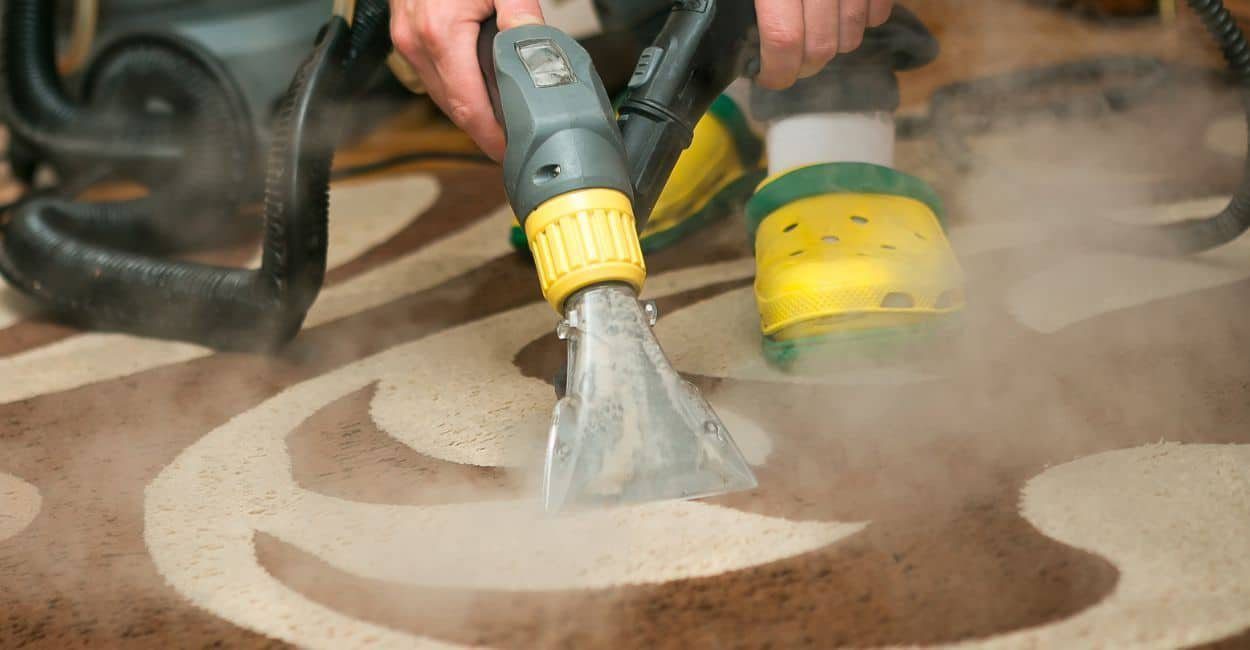
- Result: Your existing carpet, cleaned and restored
Option B: “Just Replace the Carpet”
- But wait… The subfloor is still wet
- Subfloor drying required: $1,200-$1,500 (you need this regardless)
- Carpet removal: $200-$300
- Disposal fees: $150-$250
- New carpet supply: $2,000-$4,000 (medium quality)
- Installation: $800-$1,200
- Total: $4,350-$7,250
- Timeline: 1-2 weeks (drying + carpet ordering + installation)
- Result: New carpet, but much more expensive
The thing people forget: Even if you replace carpet, you still need to dry the subfloor. Water doesn’t just disappear. You can’t lay new carpet on wet subfloor without mould problems within weeks.
Our approach:
- Dry the subfloor properly (required regardless)
- Restore carpet if possible (saves $2,000-$4,000)
- If carpet can’t be saved, we arrange competitive supply and installation
- One company, complete solution, no coordination headaches
When we DO recommend replacement:
- Carpet was already old/worn
- Category 3 sewage contamination (usually)
- Carpet backing delaminated from water damage
- Odor cannot be removed
- Insurance covering replacement anyway
But honest answer: 70-80% of water-damaged carpets can be restored and saved, saving thousands vs replacement.
The Secondary Damage Multiplier (Why Waiting Costs More)
This is the number that should scare you.
What $1,500 becomes if you wait:
Timeline of Increasing Costs
Day 1: Water damage occurs
- Quick action cost: $1,500-$2,500
- Decision: “I’ll think about it” / “I’ll try DIY first” / “I’ll wait for insurance”
Week 2: Mould appears
- Now need: Mould remediation ($5,000-$8,000)
- Plus: Original water damage restoration
- New total: $6,500-$10,500
- Cost increased by: 330-420%
Month 1: Structural damage visible
- Now need: Wall/floor repairs ($3,000-$10,000)
- Plus: Mould remediation
- Plus: Original water damage
- New total: $10,000-$20,000+
- Cost increased by: 567-800%
Month 3: Major problems
- Carpet replacement now mandatory (backing destroyed)
- Structural timber damage (rot, warping)
- Electrical issues from moisture
- Potential health issues from mould exposure
- Total: $15,000-$30,000+
- Cost increased by: 900-1,200%
Real Example: The DIY Disaster
Homeowner had small washing machine leak. Decided to handle it himself. Used fans from Bunnings. Carpet “felt dry” after a week. Packed everything up.
Three weeks later: Musty smell. Black spots on baseboards. Called us.
What we found: Subfloor never dried. Water wicked into wall cavities. Mould growing inside walls and under carpet backing.
What he paid:
- DIY attempt: $200 (rental fans, electricity)
- Professional mould remediation: $7,500
- Carpet replacement (backing destroyed): $3,200
- Total: $10,900
What he would have paid initially: $1,800 for professional drying
Cost of “saving money”: $9,100 extra
According to the Insurance Council of Australia, delayed water damage response is a leading cause of inflated insurance claims and claim disputes.
What Insurance Actually Covers (And What You’ll Pay)
Good news: Most water damage is covered. Here’s how it works:
Understanding “Liquid Escape” Coverage
Most Australian home insurance policies cover water damage under “liquid escape” or “escape of liquid” coverage.
This includes:
- Burst pipes
- Hot water system failures
- Washing machine leaks
- Dishwasher leaks
- Toilet overflows
- Bath overflows
- Appliance failures
This does NOT include:
- “Flood” (water entering from outside—river overflow, stormwater)
- Gradual damage (slow leak over months)
- Maintenance issues (old pipes you should have replaced)
- Intentional damage
Building vs Contents: The Confusion
Here’s what confuses everyone:
Richard’s simple test: “If you could turn your house upside down, what would fall out? That’s contents insurance. What would stay in place? That’s building insurance.”
Surprisingly:
- Carpet = Contents (would fall out if house flipped)
- Floorboards = Contents (in most policies)
- Underlay = Contents
Building insurance covers:
- Walls (would stay in place)
- Ceilings (would stay in place)
- Fixed cabinetry (would stay in place)
- Structural elements
Why this matters: Most water damage to carpets is claimed on contents insurance, not building insurance. Many homeowners call the wrong insurer first.
For Renters: You’re Probably Covered
If your washing machine floods the landlord’s property, your contents insurance typically covers it under “liability to landlord” coverage.
Yes, even though you damaged someone else’s property, your insurance pays. This is why renters need contents insurance.
Your Excess
Most policies have $500-$1,000 excess for water damage claims.
Is it worth claiming?
Claim if:
- Damage cost over $2,000
- Multiple rooms affected
- Structural drying needed
- Any sewage involvement
- Mould risk present
Maybe don’t claim if:
- Total cost under $1,500
- Single small room
- Caught very quickly
- Clean water only
We’ll give you honest assessment of likely costs before you decide to claim.
Our Insurance Success Rate
We’ve never had a client’s insurance claim denied.
Why?
- Complete professional documentation
- Thermal imaging proves extent
- Daily moisture readings logged
- Photo documentation throughout
- Scope of works clearly detailed
- Industry-standard procedures followed
Insurance assessors trust our work because it’s documented scientifically, not guessed.
Read more about working with insurance
Hidden Costs Most People Don’t Consider
The invoice from the restoration company isn’t the only cost:
Temporary Accommodation
If property unlivable during drying: $150-$300 per night (hotel/Airbnb)
Average: 3-5 nights = $450-$1,500
Usually covered by insurance under “temporary accommodation” clause.
Storage of Furniture
If furniture needs moving: $100-$400 per month
We can usually work around furniture, but severe flooding may require removal.
Lost Work Time
Taking days off work to deal with contractors, insurance assessors, etc.
Stress and Inconvenience
Can’t put a dollar value on it, but it’s real.
Increased Insurance Premiums
Making a claim may increase future premiums. Varies by insurer and claim history.
The Hidden Cost of DIY Failure
Renting equipment from Bunnings: $50-150/day Your time: Hours of moving equipment, monitoring Electricity: Running equipment 24/7 Risk: If it doesn’t work, now paying professional anyway PLUS mould remediation
According to Choice Australia, DIY water damage drying is only suitable for very minor incidents caught immediately, with professional drying recommended for anything beyond surface-level moisture.
What Affects Your Final Cost (The Variables)
Why can’t I just give you an exact price? Because these factors vary:
1. Size of Affected Area
2m² = minimal equipment 20m² = moderate equipment
100m²+ = extensive equipment deployment
More area = more equipment = higher cost. Linear relationship.
2. Type of Water
Category 1 (Clean): Burst pipe, hot water system, washing machine
- Standard drying procedures
- Lower cost
Category 2 (Grey): Washing machine soapy water, dishwasher
- Antimicrobial treatment needed
- Slightly higher cost
Category 3 (Black/Sewage): Toilet backup, sewer
- Decontamination essential
- Usually carpet replacement
- Significantly higher cost
3. Materials Affected
Carpet only: Easiest, fastest, lowest cost
Carpet + walls: Need wall cavity drying, baseboard removal possibly, higher cost
Carpet + walls + ceiling: Need ceiling cavity drying, highest cost
Timber floors: Can take longer to dry than carpet, similar cost
Tiles: Water underneath tiles hard to dry, may need tile removal
4. How Long Water Present
Under 1 hour: Minimal penetration, quick drying, lower cost
1-12 hours: Moderate penetration, standard drying, typical cost
12-48 hours: Deep penetration, extended drying, higher cost
Over 48 hours: Likely mould issues, remediation needed, much higher cost
5. Hidden Structural Moisture
This is why thermal imaging matters. Hidden moisture adds:
- Wall cavity drying: +$1,000-$2,500
- Ceiling cavity drying: +$1,500-$3,000
- Subfloor drying: +$800-$1,500
But remember: Finding hidden moisture now costs less than mould remediation later (3-5x more expensive).
6. Access and Logistics
Ground floor apartment: Easy access, standard cost
Third floor apartment: Stairs, equipment hauling, slightly higher
Body corporate restrictions: Must work 7am-10pm only, may extend timeline
Remote location: If you’re outer suburbs, travel time adds minor amount
7. Emergency After-Hours
We don’t charge extra for after-hours, weekends, or public holidays. Some companies do.
Our philosophy: Water damage is always an emergency. You shouldn’t pay more because it happened on Sunday night.
How Melbourne Compares to Other Cities
Melbourne’s water damage costs are roughly middle-of-pack for Australian capital cities:
More expensive than Melbourne:
- Sydney (+15-25% typically due to higher operating costs)
- Hobart (+10-20% due to limited service providers)
Similar to Melbourne:
- Brisbane
- Adelaide
- Canberra
Less expensive than Melbourne:
- Regional Victoria (-10-20%)
- Darwin (-5-15%)
- Perth (similar to slightly less)
Melbourne-specific factors:
- High property values (especially inner suburbs) = higher carpet replacement costs
- Strong competition = competitive pricing
- Established industry = professional standards
What We Charge vs What Others Charge
I’ll be transparent about our pricing philosophy:
We’re not the cheapest in Melbourne. And we don’t try to be.
We’re also not the most expensive.
What you get with Squeaky Clean Team:
✓ Owner (Richard) answers the phone 24/7 ✓ On-site within 60 minutes (most suburbs) ✓ $200,000+ professional equipment ✓ Thermal imaging on every structural drying job ✓ Daily monitoring until verified dry ✓ Complete insurance documentation ✓ 17 years experience, 5,000+ properties ✓ Never had a mould issue (5,000+ properties) ✓ Never had an insurance claim denied ✓ 100+ five-star Google reviews
What you’re paying for: Results. Speed. Peace of mind. Professional documentation. Equipment that other companies don’t have.
Cheapest quote in Melbourne? Probably from a guy with a rental van and Bunnings fans. You’ll pay $500-$800 less upfront. Then pay $5,000 more in mould remediation six weeks later.
Most expensive quote? Probably from large franchise operation with massive overhead. You’re paying for national advertising and franchise fees, not better service.
We’re the mid-to-high range because we invest in proper equipment, employ experienced technicians, and do the job right the first time.
Read what our clients say about the value they received
How to Get an Accurate Quote (What We Need to Know)
If you’re calling for a quote, here’s what we’ll ask:
Questions We Need Answered:
- What caused the water damage? (washing machine, burst pipe, etc.)
- How long ago did it happen? (30 minutes? 2 days?)
- How many rooms affected? (just bathroom? Or bathroom + bedroom + hallway?)
- What type of flooring? (carpet, tiles, timber?)
- Are walls or ceilings affected? (just floor? Or water marks on walls?)
- Can you see or smell mould? (any black spots or musty odor?)
- Do you have insurance? (claiming or paying out of pocket?)
With these answers, we can give you accurate phone quote in 5 minutes.
Or we can come assess in person (free) and give exact quote after thermal imaging scan.
No surprises. No hidden fees. Price we quote is price you pay.
The Question Everyone Really Wants Answered
“Can I afford to fix this?”
Honest answer: Yes, almost certainly.
Small to medium water damage ($600-$3,500): Most people can handle this, especially with insurance covering majority and only paying excess ($500-$1,000).
Large water damage ($5,000-$10,000): This is why you have insurance. Building and contents policies are designed for exactly this situation.
Can’t afford professional help: Call us anyway: 1300 682 563
Richard will give you free advice on:
- Can you DIY this safely?
- What equipment you’d need
- How to position equipment
- What to watch for
- When to call professionals
We’ve helped people over the phone who couldn’t afford our service. Because treating people right matters more than every sale.
But understand: DIY is only suitable for very minor, surface-level water damage caught immediately. Anything beyond that, you’re risking thousands in mould problems trying to save hundreds on professional drying.
What 5,000 Jobs Taught Us About Preventing Costs
After 17 years, here’s what we know about prevention:
Prevent 30% of Water Damage (Washing Machines)
- Check waste pipe connection monthly: $0
- Have plumber install proper standpipe: $150-$300 once
- Never run machine when not home: $0
Savings vs average washing machine flood: $1,500
Read our complete washing machine flood prevention guide
Prevent Burst Pipes
- Annual plumbing inspection: $100-$150
- Replace old pipes proactively: $500-$2,000 (varies)
Savings vs burst pipe disaster: $3,000-$10,000
Prevent Hot Water System Failures
- Regular servicing every 5 years: $150-$250
- Replace before failure (10-15 year lifespan): $1,200-$2,500
Savings vs catastrophic failure: $2,000-$8,000 in water damage
The Best Investment: Quick Response
Responding within 1 hour vs waiting 24 hours can save: $1,000-$3,000 in reduced secondary damage.
Responding within 24 hours vs waiting 1 week can save: $3,000-$10,000 in mould prevention.
Speed is the single biggest cost determinant after size of damage.
What Melbourne Homeowners Say About Our Value
“Couldn’t recommend these guys more! So trustworthy and transparent. Had some carpet flooding and Richard and Chris arrived within a few hours and walked me through the problem. They talked me out of spending more money on a service I didn’t need, and their pricing was so much more affordable than other providers.”
— Liam E., Melbourne
“Called Richard on Monday night with a flooded washing machine, he talked me through the process over the phone. The next day the Squeaky Clean Team were at our house fixing our partially flooded house. Communication was clear and problem solved and carpets even steam cleaned for a reasonable price!”
— Cahill, Melbourne
“The Squeaky Clean Team was fantastic. Experiencing a flood for the first time in my apartment was overwhelming, but Richard and Chris arrived quickly and immediately put me at ease. Their communication was clear, pricing was transparent, and the final cost was very reasonable.”
— Alexandra C., Melbourne
The Bottom Line on Water Damage Costs
After 5,000+ Melbourne water damage restorations, here’s what you need to remember:
Most jobs cost $1,500-$3,500. That’s the reality for typical residential water damage caught within reasonable time.
Small jobs start from $600. Single room, caught quickly, minimal equipment.
Large jobs can reach $5,000-$10,000. Multiple rooms, structural drying, extended timeline.
Waiting always costs more. Often 3-5 times more due to mould and secondary damage.
Insurance usually covers it. Under “liquid escape” coverage, minus your excess.
Prevention is cheapest. Check washing machine waste pipes monthly. It’s free and could save $1,500.
Quick response saves thousands. Call within the first hour for lowest cost and best outcome.
Need a Quote for Water Damage Restoration?
Call now for phone quote: 1300 682 563
We’ll ask 7 quick questions and give you accurate estimate in 5 minutes.
Or request free on-site assessment:
✓ Richard comes to your property
✓ Thermal imaging scan
✓ Exact quote provided
✓ No obligation
✓ Usually same day
Emergency service 24/7:
- On-site within 60 minutes
- Equipment deployed immediately
- Most jobs completed in 3-7 days
- Complete insurance documentation
- Serving Metro Melbourne & Mornington Peninsula
Or learn more:
- Emergency Water Extraction Services
- Why Washing Machines Cause Most Floods
- What Thermal Imaging Reveals
- Cricket Australia Case Study
Free advice even if you don’t hire us: Call 1300 682 563 and Richard will explain your options honestly.
Because knowing what you’re facing is the first step to solving the problem.
Frequently Asked Questions
How much does water damage restoration cost in Melbourne?
Water damage restoration in Melbourne typically costs $1,500–$8,000 for residential properties. A minor Category 1 burst-pipe restoration in a single room averages $1,500–$3,000. Larger Category 2 or 3 incidents involving multiple rooms, structural drying, or contaminated water can cost $5,000–$15,000 or more. Most costs are claimable under home insurance for sudden and accidental damage.
What factors affect the price of water damage restoration?
The key cost factors are: the category of water (clean, grey, or sewage), the size of the affected area, how quickly drying begins, whether structural materials need replacing, and whether mould remediation is required. Acting within 24 hours of damage typically reduces total restoration costs by 30–50% compared to jobs where drying is delayed.
Why is Category 3 (sewage) water damage more expensive to restore?
Category 3 restoration requires full personal protective equipment, containment of affected areas, HEPA filtration to capture airborne contaminants, and safe disposal of all porous materials that cannot be decontaminated. Labour, disposal, and safety compliance costs are significantly higher than Category 1 clean-water jobs, often doubling the restoration cost.
Is water damage restoration covered by insurance in Victoria?
Most Victorian home insurance policies cover sudden and accidental water damage including burst pipes, storm intrusion, and appliance overflow. The standard excess is typically $250–$1,000. Gradual seepage, rising damp, and flood from external waterways are usually excluded. The Squeaky Clean Team can manage the full insurance claim process and liaise directly with your insurer.
How do I get a fair and accurate quote for water damage restoration?
Request a written quote from an IICRC-certified company that includes: scope of works, equipment list, estimated drying duration, and daily moisture-reading schedule. Be cautious of very low quotes that don’t include moisture monitoring — incomplete drying creates mould that can cost more than the original restoration to remediate.
What does it cost if water damage is left untreated?
Untreated water damage compounds significantly over time. Within 48–72 hours, mould establishes, increasing costs by 50–200%. Within one week, structural materials may require demolition and replacement rather than drying. A $2,000 restoration job can become a $15,000–$30,000 remediation if left unaddressed for more than a few days.
Are there hidden costs in water damage restoration I should know about?
Common additional costs include: mould remediation if drying is delayed, contents storage if extensive furniture removal is required, temporary accommodation if the property is uninhabitable, and reinstatement of damaged finishes. The Squeaky Clean Team provides a full scope of works upfront so there are no surprise charges on the day.
About The Squeaky Clean Team
Since 2007, we’ve restored 5,000+ Melbourne properties. We know exactly what water damage costs because we’ve quoted, completed, and tracked every single job. IICRC certified. Trusted by Cricket Australia. Backed by 100+ five-star reviews. Honest pricing, no surprises.
- Please note all prices quoted above are estimates.
Emergency number: 1300 682 563
Email: sales@squeakycleanteam.com.au
Address: 219/87 High St, Prahran VIC 3181