It was a Sunday afternoon in Brunswick.
A tenant had gone away for the weekend. Before leaving, she’d started a load of washing—a completely normal thing to do.
But the washing machine’s waste pipe had vibrated loose from the laundry tub outlet. Not by much. Just enough.
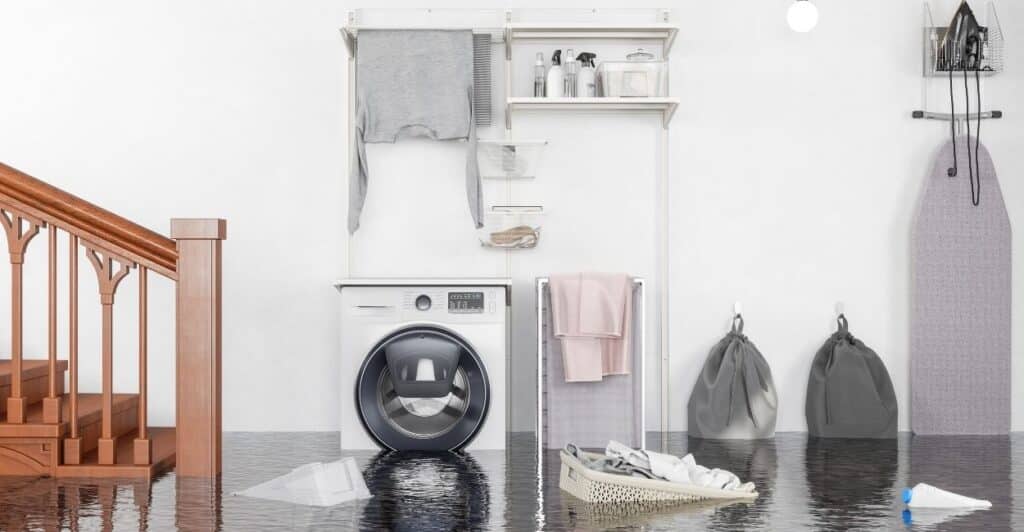
For 48 hours, that machine pumped water. Fill cycle, drain cycle, fill cycle, drain cycle. Over and over. Hundreds of litres of water flooding across the apartment floor, seeping through the subfloor, dripping down into apartments below.
By Monday morning when we got the call, 6 apartments across 2 levels were affected.
Total damage? Over $45,000.
The cause? A waste pipe that wasn’t secured. A problem so common it accounts for 30% of our emergency calls.
Here’s what 17 years of water damage restoration in Melbourne has taught me about washing machines, waste pipes, and why this problem is far bigger than most people realize.
The Shocking Truth About Home Floods in Melbourne
Ask most homeowners what causes flooding, and they’ll say burst pipes.
They’re wrong.
Washing machines are the #1 cause of home floods in Australia.
After restoring over 5,000 Melbourne properties since 2007, we can say this with certainty. The numbers don’t lie. Three out of every ten emergency calls we receive involve a washing machine.
Not burst pipes. Not storm damage. Not even hot water system failures.
Washing machines.
And here’s the thing: Most people have no idea their washing machine is a flood risk until it’s too late.
How I Discovered This Pattern (And Why It Surprised Me)
When we started The Squeaky Clean Team in 2007, I assumed burst pipes would be our biggest problem. Melbourne winters are cold. Pipes freeze, expand, burst. Makes sense, right?
After about two years, I noticed something odd.
Monday mornings, our phone would ring off the hook. Washing machine floods. Thursday evenings? Same thing. Weekend getaways? You guessed it—washing machine disasters.
I started keeping track. The pattern was undeniable.
Washing machines weren’t just a problem. They were THE problem.
I spoke with plumbers. They confirmed it. One told me: “Mate, I’ve been to more washing machine floods than burst pipes in the last five years combined.”
The more jobs we did, the clearer it became. This wasn’t random bad luck. This was a systemic issue affecting Melbourne homes.
The Australian Plumbing Problem Nobody Talks About
Here’s what most people don’t know about washing machine plumbing in Australia:
Many properties don’t have proper plumbed-in waste connections.
Instead, the waste pipe is simply pushed down into a hole in the laundry tub. Or worse—in older apartments, the waste outlet runs into the bath.
There’s no secure connection. No clamp. No fixture. Just a pipe resting in a hole, held in place by… nothing.
It’s a disaster waiting to happen.
Think about what happens when your washing machine runs:
- Water pumps out under pressure
- The machine vibrates during spin cycle
- The waste pipe shakes and moves
- Over time, it works its way loose
- Eventually, it pops out
And when it pops out? Hundreds of litres of water pump straight onto your floor.
According to Consumer Affairs Victoria, this is one of the most common household insurance claims. Yet most homeowners have never even thought about checking their waste pipe connection.
The Brunswick Apartment Disaster: When Everything Goes Wrong
Let me tell you about the worst washing machine flood we’ve seen.
Brunswick apartment. Mid-level unit. Young tenant away for the weekend.
Friday evening before leaving, she started a load of washing. The machine was running when she locked the door and left.
What she didn’t know: The waste pipe had been vibrating loose for weeks. Every wash cycle, it moved a little more. That Friday evening, it finally popped out completely.
For 48 hours straight, that washing machine pumped water:
- Fill cycle: 50+ litres
- Drain cycle: 50+ litres pumped onto the floor
- Repeat
By the time someone noticed water dripping from the ceiling below, the damage was catastrophic.
The toll:
- 6 apartments affected (2 levels)
- Carpet destroyed in 4 units
- Ceiling damage in units below
- Electrical systems compromised
- Total cost: Over $45,000
All from a $2 waste pipe that wasn’t secured properly.
The tenant’s insurance covered it (thankfully, she had contents insurance with liability coverage). But the disruption was massive. Six families displaced. Weeks of repairs. Months of stress.
And here’s the thing that still bothers me: This was 100% preventable. A simple check of the waste pipe connection would have caught the problem.
Why Washing Machine Floods Are Worse Than Burst Pipes
“But surely a burst pipe is worse?” people ask me.
Actually, no. Here’s why washing machine floods cause more damage:
Volume of Water
A burst pipe releases water until you turn off the mains. Usually, someone notices within hours (water spraying, sudden pressure loss, visible flooding).
A washing machine flood? The machine keeps pumping. Fill, drain, fill, drain. It can run for days if nobody’s home. Each cycle pumps 50-80 litres.
Do the math: If a machine runs continuously for 48 hours, you’re looking at thousands of litres of water flooding your property.
Nobody Notices Until It’s Too Late
Burst pipes are obvious. Water sprays. Pressure drops. You notice immediately.
Washing machine waste pipe failures are silent. The pipe pops out. Water pools on the floor. It seeps into carpet. Drips through floorboards. Spreads to other rooms.
By the time you notice, the damage is done.
The “Weekend Away” Problem
Think about when you do laundry. Before work? Before bed? Before leaving for the weekend?
This is when disasters happen.
You’re not home to notice. The machine runs. The pipe pops out. Water floods. And by the time you return, you’re looking at thousands in damage.
According to the Insurance Council of Australia, household water damage claims have increased by 30% over the past decade, with washing machine-related incidents being a major contributor.
The Types of Washing Machine Floods We See
Not all washing machine floods are the same. Here are the most common scenarios:
1. The Vibrating Pipe (Most Common)
What happens: Waste pipe gradually vibrates loose from laundry tub or bath outlet during normal operation. Eventually pops out completely.
Why it happens: No secure connection. Pipe just rests in outlet. Machine vibration does the rest.
Typical damage: $1,500-$5,000 depending on how long before discovered.
Prevention: Check waste pipe connection every few months. Ensure it’s pushed fully into outlet. Consider having a plumber install a proper clamp.
2. The New Machine Installation
What happens: Delivery company installs new washing machine but doesn’t properly connect waste pipe. First wash cycle floods the property.
Why it happens: Rushed installation. Delivery driver not properly trained. They test the machine briefly, it seems fine, they leave. First full cycle? Disaster.
Typical damage: $600-$2,000 (caught quickly because homeowner is present).
Prevention: After any new appliance installation, stay home for the first full cycle. Watch the waste pipe during drain cycle.
We’ve handled several claims where homeowners successfully recovered damages from the delivery company. If this happens to you, document everything. Photos, videos, receipts. The delivery company is liable.
3. The Blocked Drain Backup
What happens: Laundry drain blocks. Water can’t escape. Backs up and overflows from tub while machine is draining.
Why it happens: Hair, lint, soap buildup. Over time, drain becomes restricted. Eventually blocks completely.
Typical damage: $800-$3,000. Usually grey water (soapy) rather than clean water.
Prevention: Regular drain maintenance. If tub drains slowly, don’t ignore it. Call a plumber before it becomes a flood.
4. The Hose Failure
What happens: Supply hose (not waste pipe) bursts or connection fails. Water sprays under mains pressure.
Why it happens: Old hoses deteriorate. Connections corrode. Hoses are under constant pressure.
Typical damage: $2,000-$8,000. Mains pressure means water flows fast and forcefully.
Prevention: Replace washing machine hoses every 5 years. Check connections annually. Consider installing burst-stop valves.
The Internet’s Worst Advice: Bicarbonate of Soda
We need to address the most dangerous myth circulating online.
Google “how to dry wet carpet” after a washing machine flood, and you’ll find articles recommending bicarbonate of soda (baking soda).
The advice claims: “Sprinkle it liberally over your wet carpet. It will absorb the moisture.”
This is completely false. Please don’t do this.
Here’s what actually happens when you dump bicarbonate of soda on wet carpet:
- It creates white clumps throughout your carpet
- It doesn’t absorb significant moisture (maybe a teaspoon of water per cup of bicarb)
- It makes a mess that’s difficult to extract
- It adds time and cost to professional drying
- It doesn’t prevent mould or speed drying
After a washing machine flood, we’ve arrived to find carpets covered in kilograms of white powder. The homeowner spent $50 on bicarbonate of soda and hours spreading it around.
Result? Wet carpet covered in white sludge. Still saturated. Now harder to extract water from.
We have to vacuum up the bicarb first. Then extract the water. The homeowner paid extra for a problem they created while trying to help.
What you should do instead:
- Turn off the washing machine
- Turn off water supply to machine
- Move valuable items to dry areas
- Take photos for insurance
- Call professionals immediately: 1300 682 563
- Don’t put anything on the wet carpet
Let the professionals handle it. We have industrial extraction equipment that removes 95% of water in under an hour. No amount of bicarbonate of soda can do that.
The “Don’t Run When You’re Not Home” Rule
Richard’s advice is simple and could save you thousands:
Never run your washing machine when you’re not home or asleep.
“But I’ve always done laundry before work,” people say. “I put it on before bed so it’s ready in the morning.”
I understand. It’s convenient. But consider this:
If the waste pipe pops out while you’re asleep or at work:
- The machine keeps pumping
- Water floods continuously
- You won’t notice for hours
- By the time you discover it, the damage is extensive
If you’re home and awake when it happens:
- You notice immediately (water on floor, unusual sounds)
- You turn off the machine within minutes
- Total water released: One drain cycle (50-80 litres)
- Damage: Minimal, often under $500
The difference between a $500 problem and a $5,000 disaster is whether you’re home to catch it.
Is that morning convenience worth the risk?
How to Check Your Washing Machine Waste Pipe (5-Minute Prevention Guide)
Right now, go check your washing machine waste pipe. Seriously. It takes 5 minutes and could save you thousands.
Here’s what to do:
Step 1: Locate the Waste Pipe
Pull out your washing machine slightly. Look at the back. You’ll see:
- Two supply hoses (usually braided metal, connected to taps)
- One waste pipe (usually corrugated grey or white plastic)
The waste pipe is what we’re concerned about.
Step 2: Follow the Waste Pipe
Trace where it goes:
- Into a hole in the laundry tub?
- Over the edge of the tub and down?
- Into the bath (in older apartments)?
- To a standpipe (proper connection)?
Step 3: Check the Connection
If it goes into a laundry tub or bath:
- Is it pushed all the way in?
- Is there a clip or clamp holding it?
- Can you easily pull it out with your hand?
If you can easily pull it out, it’s not secure enough.
Step 4: Test During Operation
Run a wash cycle while you watch the waste pipe during the spin and drain phases:
- Does the pipe vibrate significantly?
- Does it move in the outlet?
- Does it look like it could pop out?
If yes to any of these, you have a problem waiting to happen.
Step 5: Secure It Properly
Temporary fix:
- Push the pipe firmly into the outlet
- Use cable ties to secure it if possible
- Check monthly
Permanent fix:
- Have a licensed plumber install a proper connection
- Standpipe with P-trap is the gold standard
- Cost: $150-$300
- Worth every cent compared to a $5,000 flood
According to Master Plumbers Australia, proper washing machine plumbing should include a dedicated standpipe connection with a P-trap to prevent both flooding and sewer gas issues.
When to Call Professionals vs DIY Drying
If you’ve had a small washing machine leak (under 2m² of wet carpet, caught within 30 minutes):
You might be able to handle it yourself:
- Extract as much water as possible with towels
- Rent a wet/dry vacuum
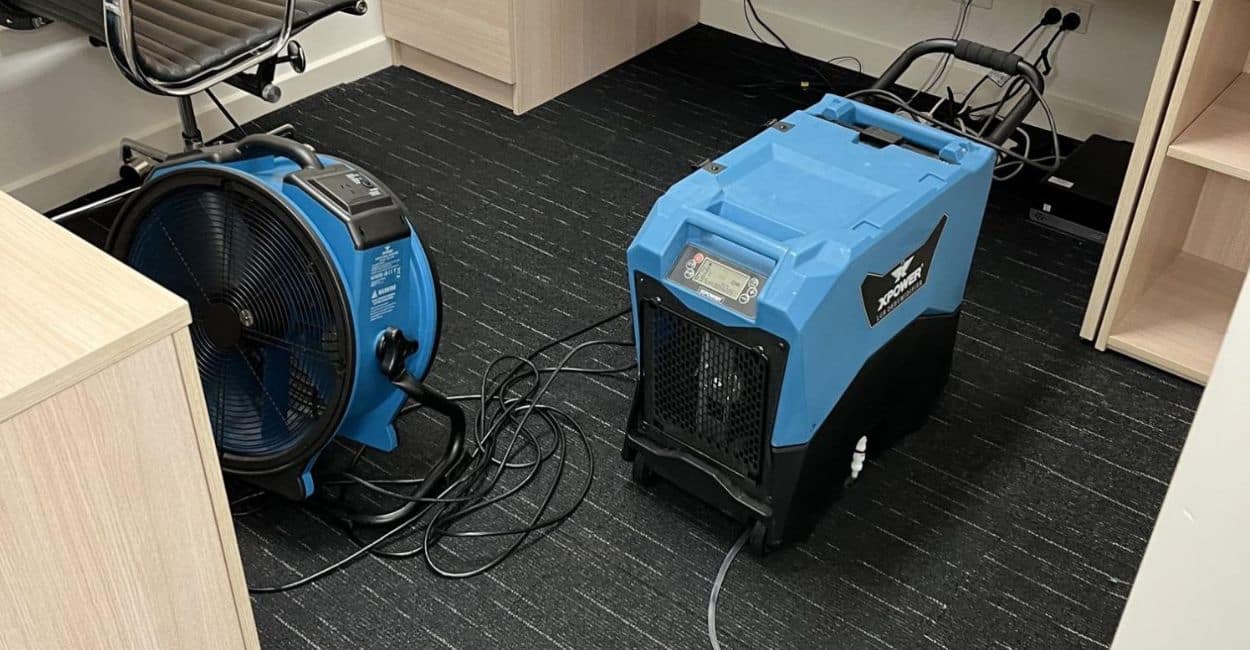
- Run fans and dehumidifier
- Monitor for 3-4 days
- If carpet still feels damp or smells, call professionals
If you’ve had a significant leak:
- Wet carpet in multiple rooms
- Water sat for hours before discovery
- Water has soaked into walls or subfloor
- Any grey water (soapy washing machine water)
Call professionals immediately: 1300 682 563
Here’s why:
You need industrial equipment that you can’t rent from Bunnings:
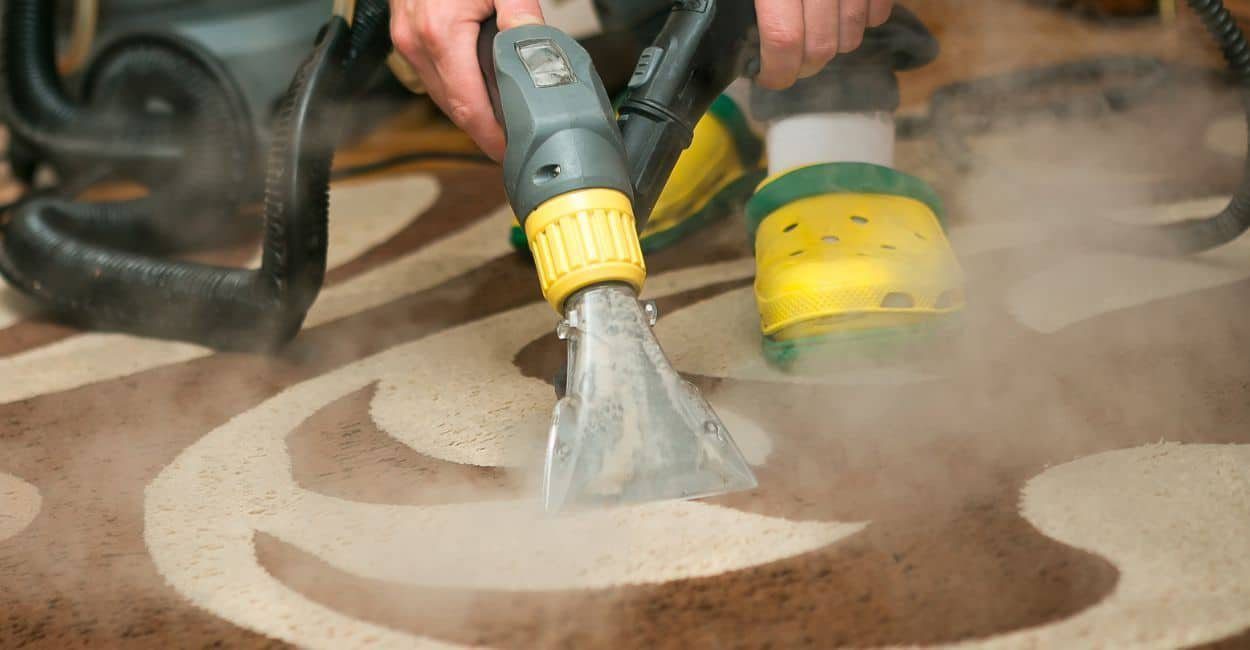
- Truck-mounted extraction (1,270+ cm water lift)
- Commercial dehumidifiers (150+ pints/day capacity)
- Moisture meters to verify complete drying
- Thermal imaging to find hidden moisture
- Scientific monitoring to prevent mould
Mould starts growing in 24-48 hours. Once it starts, you’re looking at a much bigger problem.
A small washing machine flood caught early? $600-$1,500 to dry professionally.
The same flood left for 3 days because DIY drying didn’t work? $5,000+ for mould remediation plus water damage restoration.
Read more about our emergency water extraction process
The Real Cost of Washing Machine Floods
Based on our 5,000+ restoration jobs, here’s what washing machine floods actually cost:
Small leak (one room, 2m², caught within 1 hour):
- DIY: $50-$150 (equipment rental)
- Professional: $600-$800
- Insurance excess: Usually not worth claiming
Medium leak (multiple rooms, caught within 6 hours):
- Professional restoration: $1,500-$2,500
- Usually covered under contents insurance “liquid escape”
- Your excess: $500-$1,000 typically
Large leak (like Brunswick apartment, 48+ hours):
- Professional restoration: $3,000-$10,000 per unit affected
- Multi-unit buildings: Multiply by number of affected units
- Insurance claim essential
- Potential claims against responsible party
The hidden costs:
- Temporary accommodation ($150+ per night)
- Storage of furniture ($100-$300)
- Inconvenience and stress (priceless)
- Increased insurance premiums (ongoing)
Prevention cost:
- Checking waste pipe: Free
- Plumber to install proper connection: $150-$300
- New washing machine hoses: $30-$80 (every 5 years)
Prevention is always cheaper than cure.
Read our complete guide to water damage costs
What to Do When Your Washing Machine Floods (Emergency Checklist)
If you discover a washing machine flood right now, here’s what to do:
First 60 Seconds:
- Turn off the washing machine (stop button or power switch)
- Turn off water supply to machine (taps behind machine)
- Don’t panic (it’s fixable, we’ve seen worse)
Next 5 Minutes:
- Turn off electricity to affected areas if water is near power points (switch off at fuse box if unsure)
- Move valuable items to dry areas (electronics, documents, furniture if possible)
- Take photos of damage for insurance (before you clean anything)
- Place aluminum foil or plastic under furniture legs on wet carpet (prevents staining)
Next 30 Minutes:
- Call your insurance company to report the incident (or decide if you’re claiming)
- Call us: 1300 682 563 for professional water extraction
- Don’t walk on wet carpet unnecessarily (compresses water deeper into underlay)
- Don’t use bicarbonate of soda or any other DIY “solutions”
While You Wait for Us:
- Open windows for ventilation (if weather permits)
- Turn on heating or cooling to help with drying
- Keep children and pets away from wet areas
We’ll be there within 60 minutes with truck-mounted extraction equipment.
By the time you’ve finished calling your insurance company, we’re usually on your doorstep.
Working With Insurance After a Washing Machine Flood
Good news: Most washing machine floods are covered by insurance.
What you need to know:
Contents Insurance vs Building Insurance
Washing machine damage typically falls under contents insurance as “liquid escape.”
Even though your carpet feels like part of the building, it’s usually covered under contents. So is your underlay and in many cases, your floorboards.
Richard’s simple test: “If you could turn your house upside down, what would fall out? That’s contents insurance.”
For Renters
If you’re renting and your washing machine floods the property, your contents insurance likely covers it under “liability to landlord” coverage.
Yes, even though you damaged the landlord’s property, your insurance pays for it. This is why renters need contents insurance.
The Claim Process
- Report the incident to your insurance company immediately
- Take photos of all damage
- Get emergency extraction done (don’t wait days for insurance approval)
- Keep all receipts and documentation
- Submit our detailed report with moisture readings and photos
We’ve helped hundreds of clients with insurance claims. We’ve never had a client’s claim denied.
Why? Because we document everything professionally. Insurance assessors trust our work.
Insurance Excess
Most policies have a $500-$1,000 excess for water damage claims.
Is it worth claiming?
- Damage under $1,500: Maybe pay out of pocket
- Damage over $2,000: Definitely claim
- Multiple rooms affected: Always claim
- Grey water or sewage: Always claim (health risk)
We can give you an honest assessment of damage costs to help you decide.
Prevention Is Everything: Your Monthly Washing Machine Check
Set a reminder on your phone. Once a month, check your washing machine:
The 2-Minute Monthly Check:
☐ Waste pipe pushed fully into outlet
☐ No visible movement when you tug it gently
☐ Supply hoses show no signs of wear or bulging
☐ No water stains on wall or floor behind machine
☐ Drain in laundry tub flows freely
☐ No unusual vibrations during spin cycle
The Annual Professional Check:
Once a year, have a plumber inspect:
- All washing machine connections
- Supply hoses (replace if older than 5 years)
- Drain flow and condition
- Consider installing burst-stop valves
Cost: $100-$150 for annual check
Potential savings: $5,000+ in flood damage
According to Choice Australia, washing machine hoses should be replaced every 5 years, and burst-stop valves can prevent up to 90% of washing machine-related water damage.
Why This Matters for Melbourne Properties
Melbourne’s housing stock makes washing machine floods particularly problematic:
Older homes and apartments:
- Built before modern plumbing standards
- Washing machines retrofitted into spaces not designed for them
- Waste pipes improvised rather than properly installed
Multi-level buildings:
- One flood affects multiple units below
- Body corporate complications
- Shared insurance excess across multiple owners
Investment properties:
- Tenants may not report minor leaks
- Landlords may not inspect washing machine connections
- Problems develop over time
Heritage properties:
- Valuable period features at risk
- Original timber floorboards vulnerable to water damage
- Higher restoration costs
If you’re a landlord with investment properties, add washing machine waste pipe checks to your routine inspections. One prevented flood saves you thousands in repairs and tenant disputes.
What Melbourne Homeowners Are Saying
“Called Richard on Monday night with a flooded washing machine, he talked me through the process over the phone and offered advice and options purely to help me. The next day the Squeaky Clean Team were at our house fixing our partially flooded house. Communication was clear and problem solved and carpets even steam cleaned for a reasonable price!”
— Cahill, Melbourne
“Called asking about carpet drying after a washing machine flood incident soaked my bedroom! A lovely and very helpful man seemed to know exactly my situation and guided me through all my options—including the machines I would need to hire to do the job myself, and how to position them. Best experience I could have asked for!”
— Annie D., Melbourne
The Bottom Line
After 17 years and 5,000+ water damage restorations, here’s what I want you to remember:
Washing machines cause more home floods than burst pipes. They account for 30% of our emergency calls. The Brunswick apartment disaster—6 units affected by one loose waste pipe—isn’t rare. We see similar situations monthly.
Prevention is simple:
- Check your waste pipe connection monthly
- Never run your washing machine when you’re not home
- Have a plumber install a proper standpipe connection
- Replace supply hoses every 5 years
If disaster strikes:
- Turn off the machine immediately
- Don’t use bicarbonate of soda (it doesn’t work)
- Call professionals within the first hour
- The faster we extract water, the less damage occurs
And remember: Most washing machine floods are covered by insurance under “liquid escape” coverage. We’ve never had a client’s claim denied because we document everything professionally.
Need Help With a Washing Machine Flood?
Emergency water extraction: 1300 682 563
- On-site within 60 minutes
- Industrial extraction equipment
- Complete insurance documentation
- 17 years of experience
- Serving Metro Melbourne & Mornington Peninsula
Or learn more:
- Emergency Water Extraction Services
- What Does Water Damage Cost in Melbourne?
- Our Professional Equipment
- Customer Reviews
Prevention advice (free): Even if you don’t hire us, Richard will explain what you need to do. Call anytime for free guidance: 1300 682 563
Because preventing floods is even better than fixing them.
About The Squeaky Clean Team
Since 2007, we’ve restored over 5,000 Melbourne properties after water damage. We’re IICRC certified, trusted by Cricket Australia (twice), and backed by 100+ five-star Google reviews. When washing machine disasters happen, Melbourne calls us first.
Emergency number: 1300 682 563
Email: sales@squeakycleanteam.com.au
Address: 219/87 High St, Prahran VIC 3181